Take Action Now
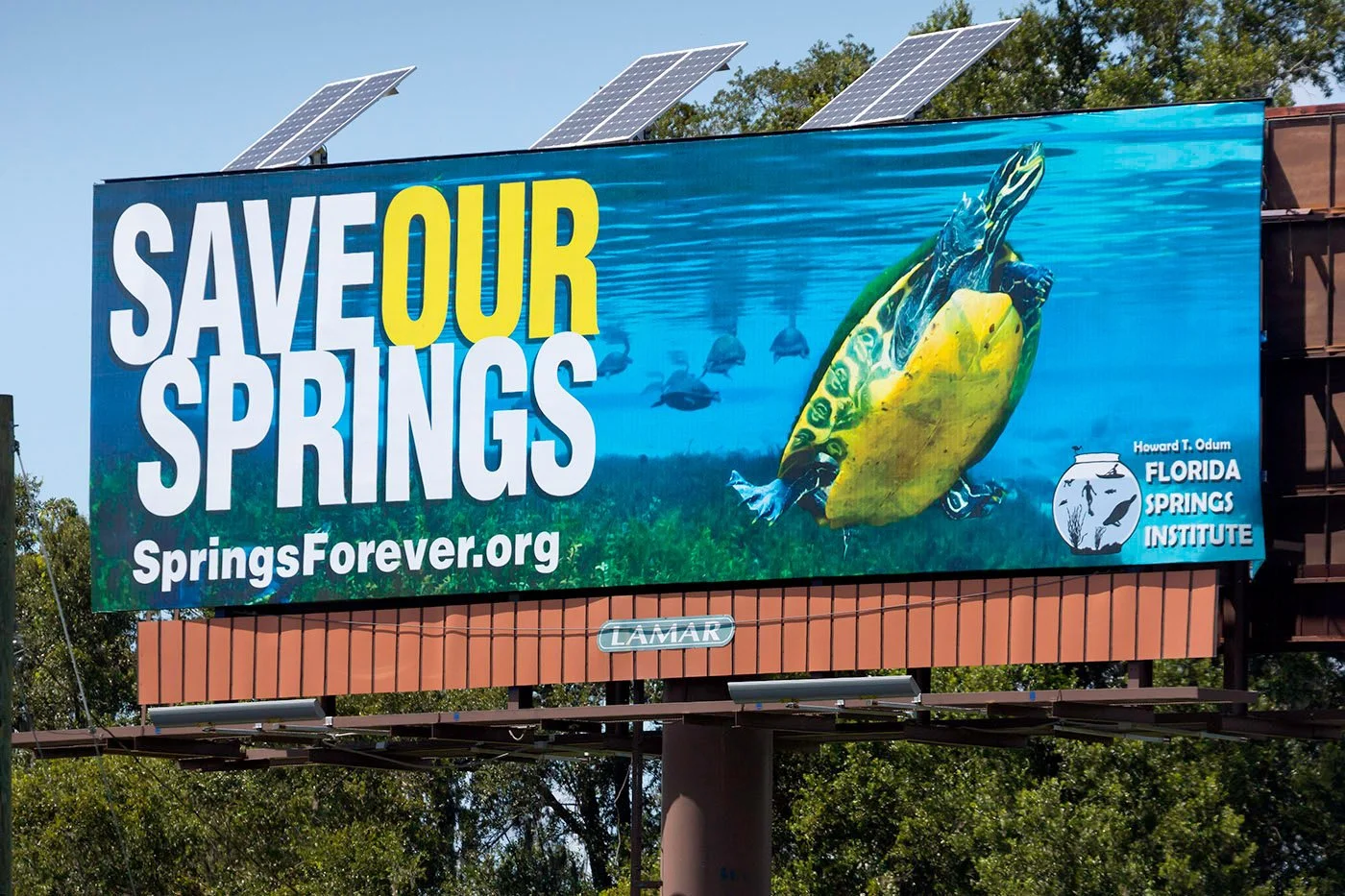
7-12: Protect Our Waters
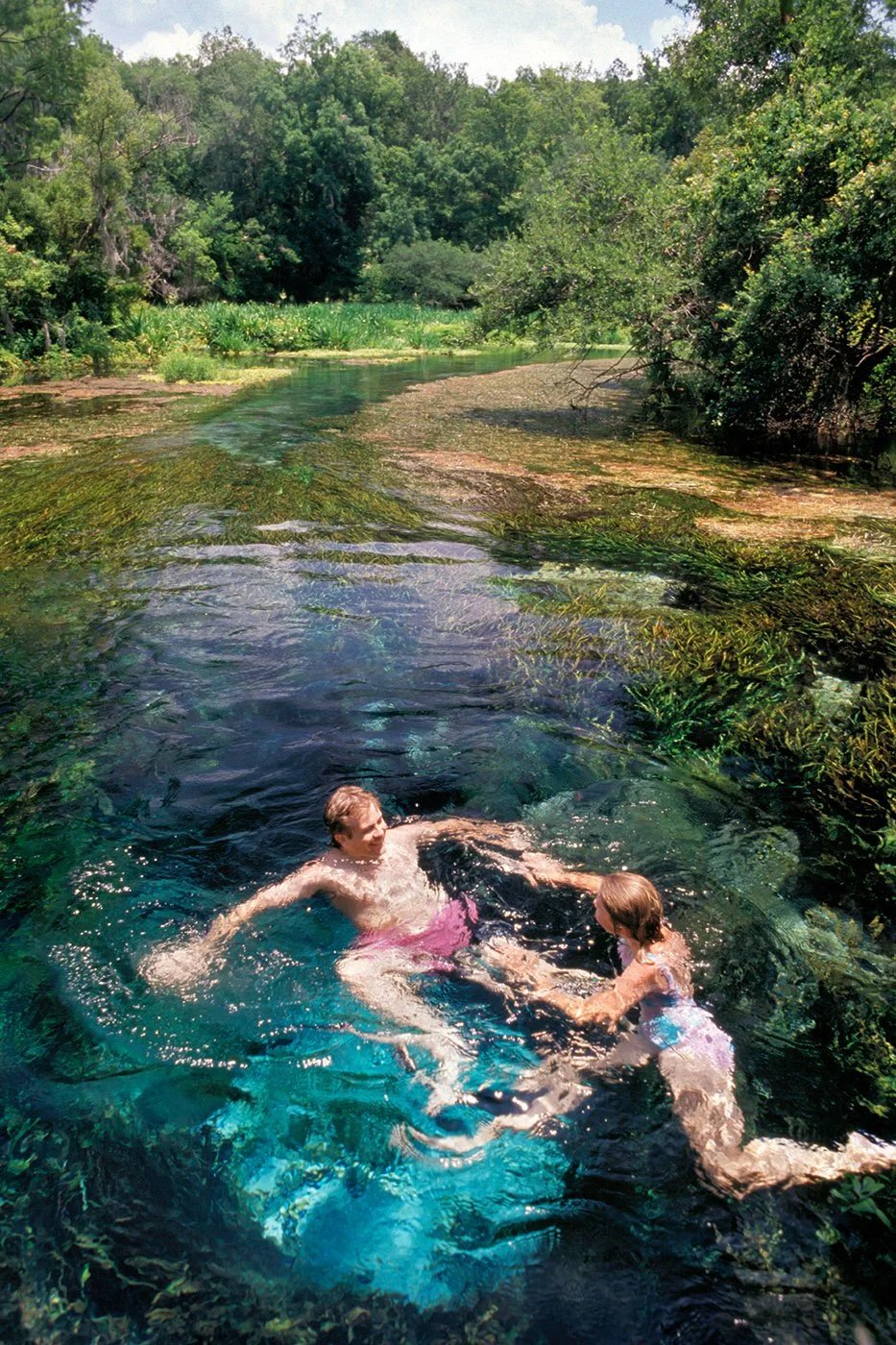
Photo by John Moran
7.
Consider the Rights of Nature
The Community Environmental Legal Defense Fund is working with communities in the United States and in countries around the world on grassroots organizing, public education and outreach, research, and legislative drafting – assisting people, NGOs, elected representatives, and government officials to craft and adopt new laws that change the status of natural communities and ecosystems from being regarded as property under the law to being recognized as rights-bearing entities.
Through this work, the Legal Defense Fund has assisted more than three dozen communities in the U.S., and assisted the Constituent Assembly of Ecuador, to put in place a new paradigm to protect nature – a paradigm based on rights.
Support Citizen-led Legal Actions to Protect our Waters
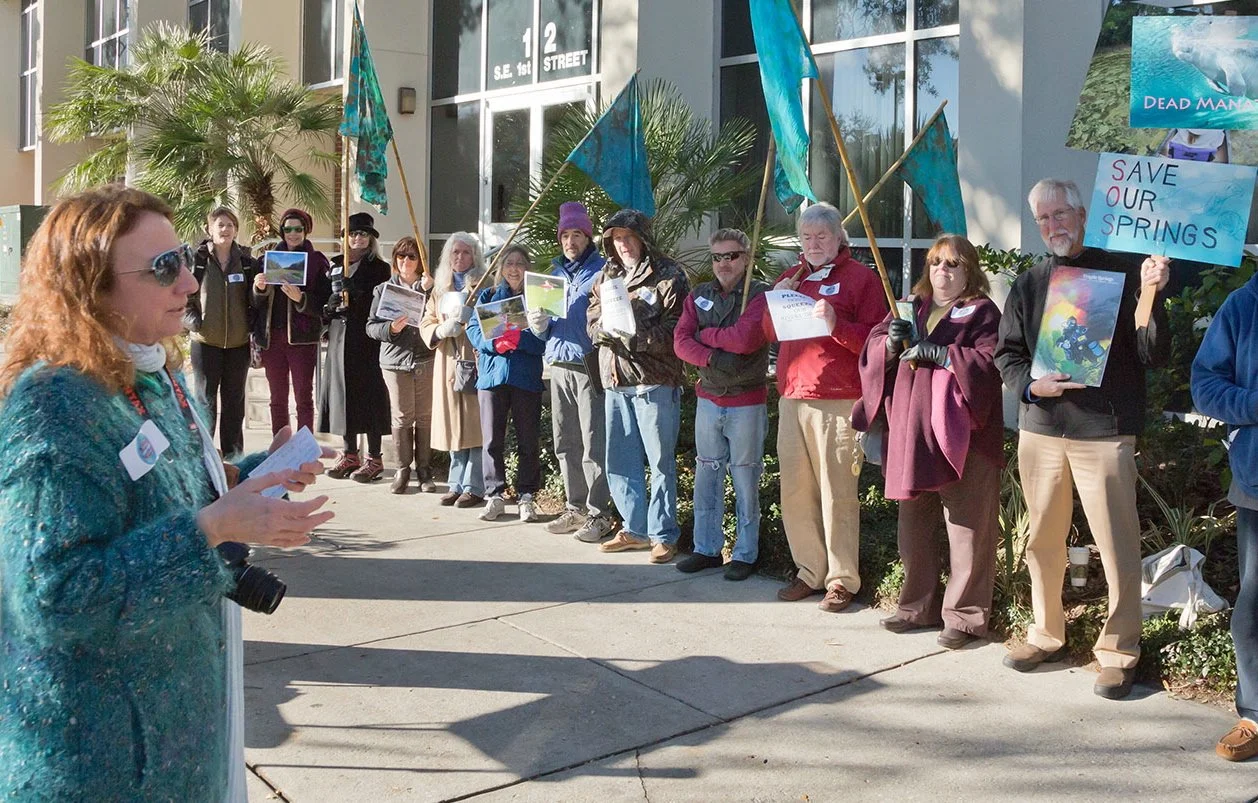
There are at least two groups positioned to take legal action to protect our springs, the Water Action Team and SOS (Save our Springs) Now.
8.
9.
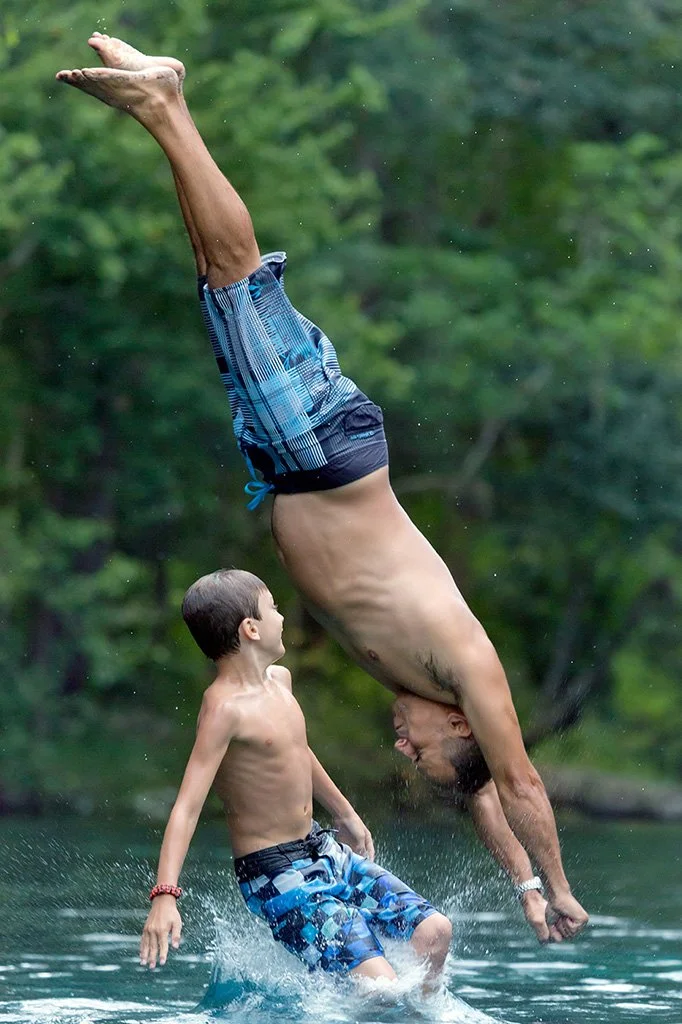
Photo by John Moran
Stay Informed and Get Active
For updates on news and events, go to the Springs Eternal Project Facebook page.
For ongoing news and discussion, join Aquiferious on Facebook.
For Legislative Updates join the Florida Conservation Coalition, also under Resources listings above.
Under RESOURCESon the SpringsEternalProject.org header you’ll find:
The Howard T. Odum Florida Springs Institute, a leader in springs research, and their springs resources page; listings for blogs written by Sonny Vergara and Tom Swihart, two retired Florida water management officials who continue to track public water policy and management in the state; the Florida Conservation Coalition (FCC), a bipartisan group offering legislative updates on water issues; Craig Pittman’s series in the Tampa Bay Times: “Florida’s Vanishing Springs”; and the Florida Clean Water Network, which offers legislative updates and action alerts on

Margaret Ross Tolbert
Juniper Sand Boils, 2007
Oil and Shellac on canvas, 90” x 90″
Art, Literature, Film & Culture
Offers sources on Florida springs and water history, ethics, art and public policy, including:
Award-winning journalist Cynthia Barnett’s Mirage: Florida and the Vanishing Water of the Eastern U.S. (2007) and Blue Revolution: Unmaking America’s Water Crisis (2011).
Margaret Ross Tolbert’s Aquiferious(2010) offers poetic, aesthetic and scientific views of twelve North Florida springs, including Ginnie.
Rick Kilby’s Finding the Fountain of Youth: Exploring the Myth of Florida’s Magical Waters examines how the legend of Ponce de León’s quest for restorative waters shaped the Sunshine State’s image as a land of fantasy, rejuvenation, and magical spring-fed waters.
More Art, Literature, Film & Culture resources available here.
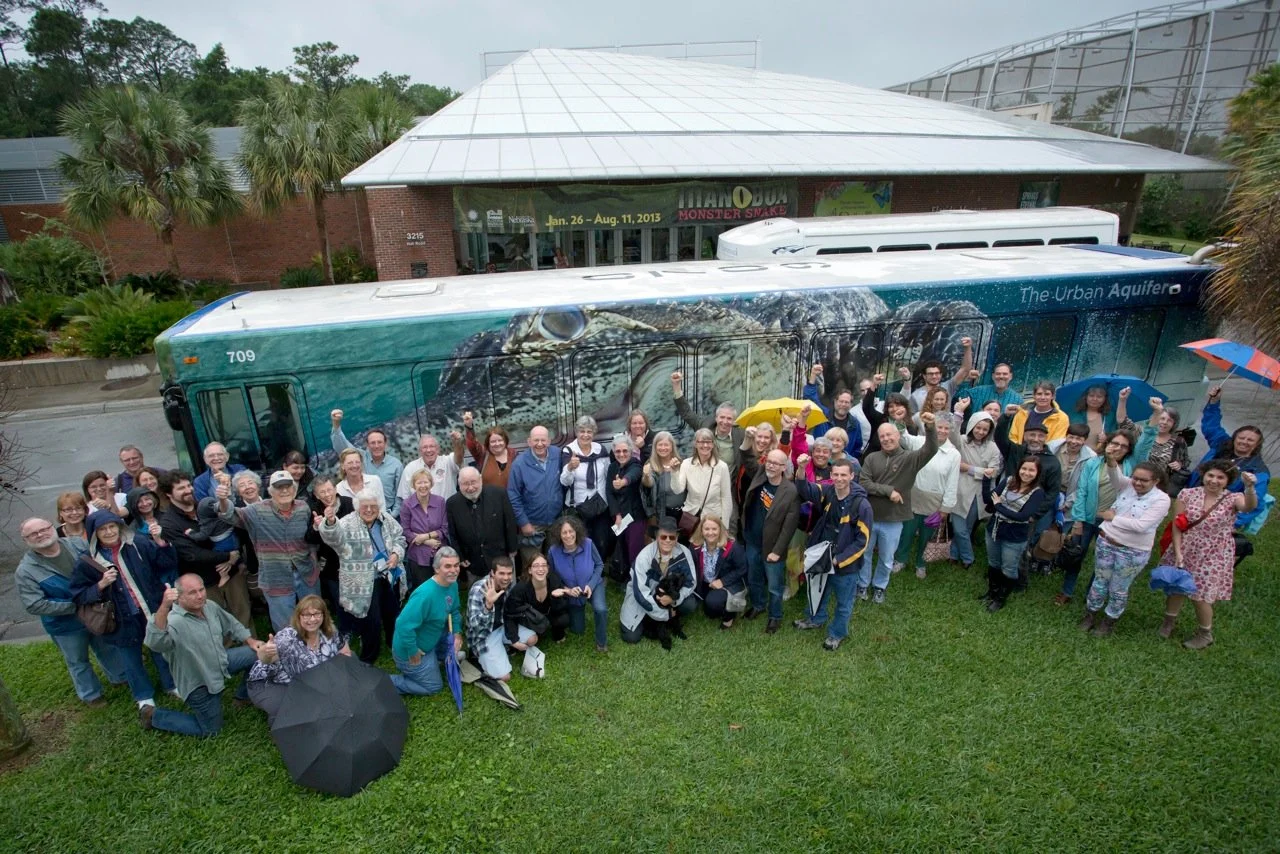
Lesley Gamble’s URBAN AQUIFER debuts at the Florida Museum of Natural History, April 2012
11.
Vote!
Support representatives who understand the issues and are actively working with local springs groups to fully restore the health and flow of our springs.
10.
Develop a Water Ethic
Here are some suggestions from Cynthia Barnett’s Blue Revolution: Unmaking America’s Water Crisis (p. 228):
–Americans value water, from appreciating local streams to pricing water right.
–We work together to use less and less—rather than fight each other to grab more and more.
–We try to keep water local.
–We avoid the two big mistakes of our history: overtapping aquifers and surface waters and overrelying on the costliest fixes that bring unintended consequences to future generations.
–We leave as much as prudently possible in nature—aquifers, wetlands, and rivers—so that our children and grandchildren, with benefit of time and evolving knowledge, can make their own decisions about water.
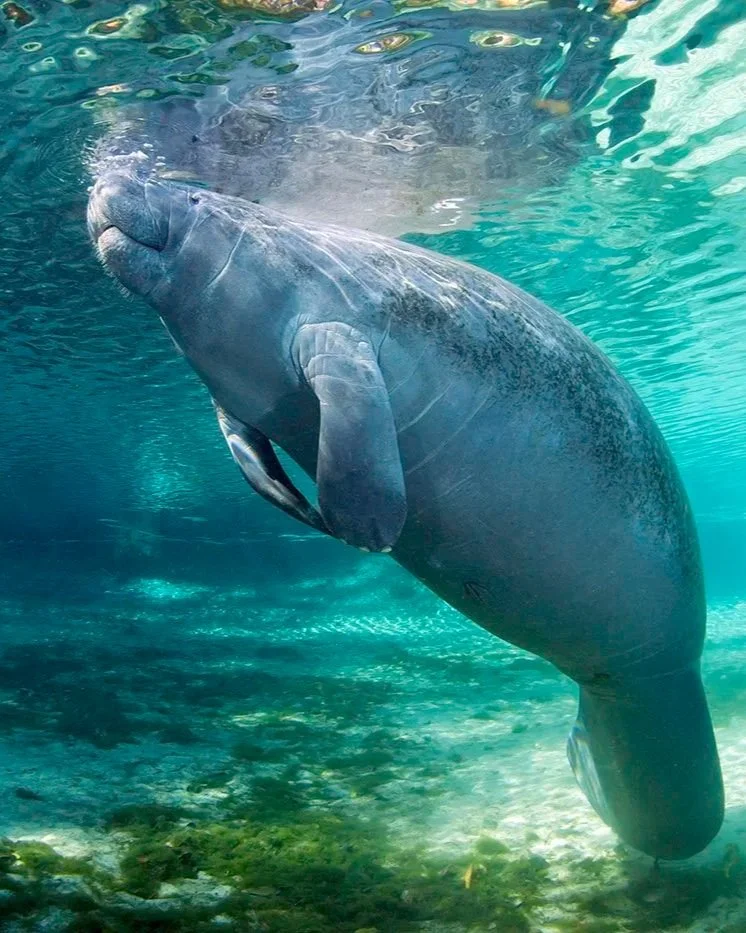
Photo by John Moran
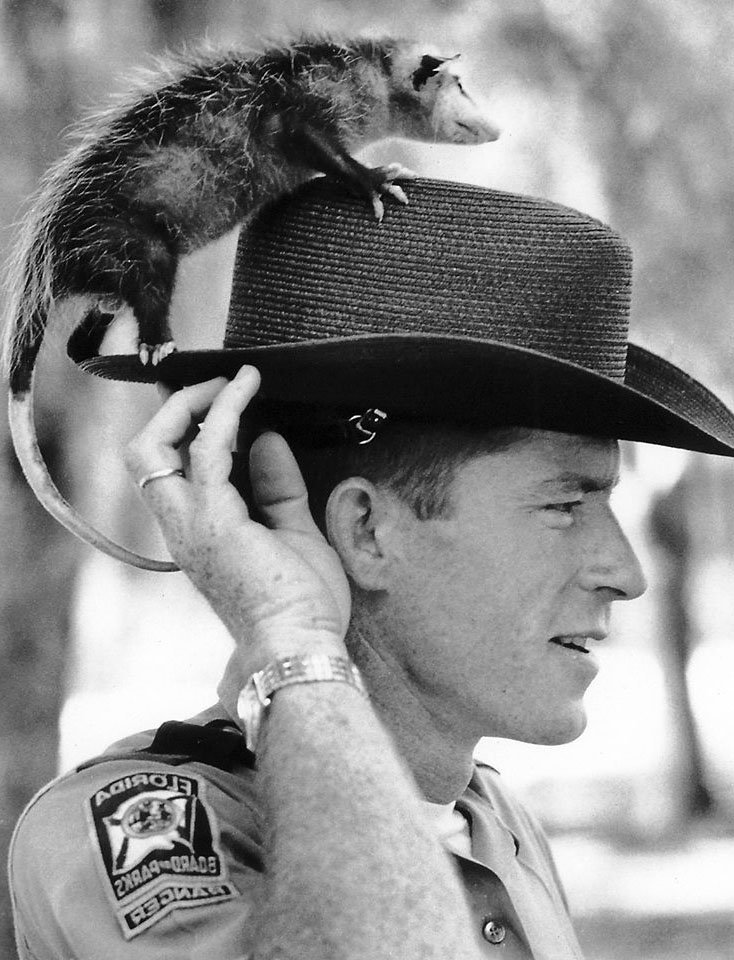
Jim Stevenson, retired Chief Biologist for the Florida State Park System, Chairman of the Florida Springs Task Force, Grandfather of Florida Springs Protection.
12.
Be a Visionary
The following is an excerpt from Lucinda Merritt’s op-ed in the Gainesville Sun, September 22, 2013:
“Solving our water problems will cost money. Bonus: Solving the problems will also create jobs. The alternative to spending that money is the failing system we have now, and we’ve learned from the Everglades that the longer we wait to fix our water problems, the more expensive the fix becomes.
As Barnett suggests in “Blue Revolution,” we need a strong water ethic that protects our waters for our children and grandchildren. Because such an ethic takes time to evolve, however, we must encourage it. To level the playing field with polluters and water wasters in courts of law, we should consider granting our waters the legal right to exist and appointing human guardians for them. Local governments throughout the United States and countries all over the world are using this approach. Why not Florida?
Another way to encourage a water ethic would be to articulate a compelling vision for water use in Florida. Right now the vision seems to be, “Use as much water as you can and dump your waste in it, too.” An alternative vision could be, ‘Florida has the cleanest, most abundant water in the world and is an international model of wise water use.’”