Springs Ambassadors Camp 2016
Lesley Gamble, Springs Eternal Project
Lesa Holder, Alachua Conservation Trust
Enter the Aquifer: Springs Ambassadors Camp follows a group of student campers as they explore Florida’s springs through hands-on learning, art, and underwater photography. Guided by artists, scientists, and educators, campers learn how the aquifer connects to the springs and to their daily lives, while discovering how human actions impact water quality and ecosystems.
Through interviews, camp activities, and footage in and around the springs, the video highlights themes of environmental awareness, creative expression, and personal connection to Florida’s freshwater systems. Campers reflect on their experiences and emphasize the importance of protecting the springs for both people and wildlife.
Integrating art, science and play, Lesley Gamble (Springs Eternal Project) and Lesa Holder (Alachua Conservation Trust) teamed up to create an immersive, holistic and hands-on camp for middle schoolers. Campers don’t just learn about the springs or about ecology, they’re learning IN the springs, embodying ecology.
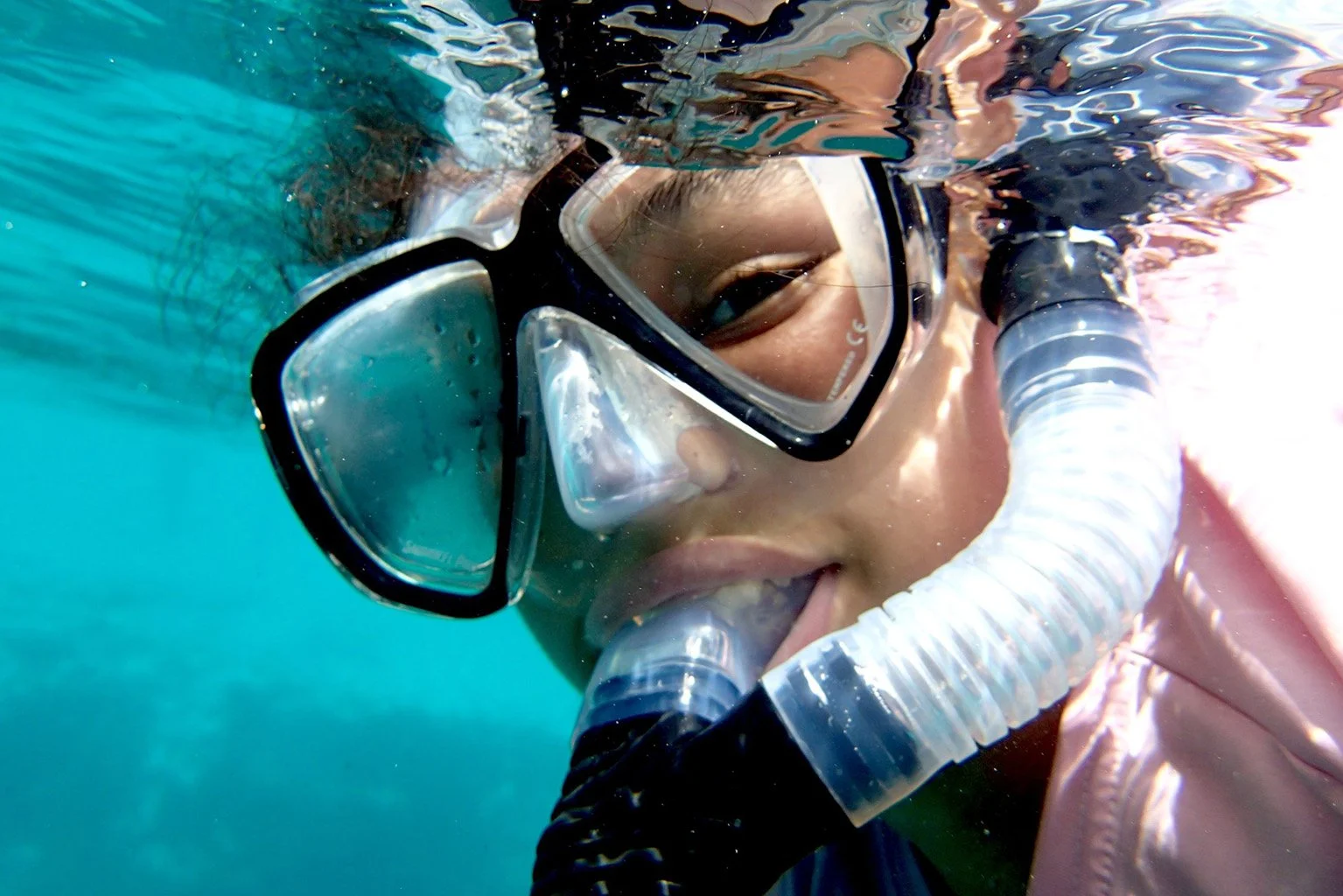
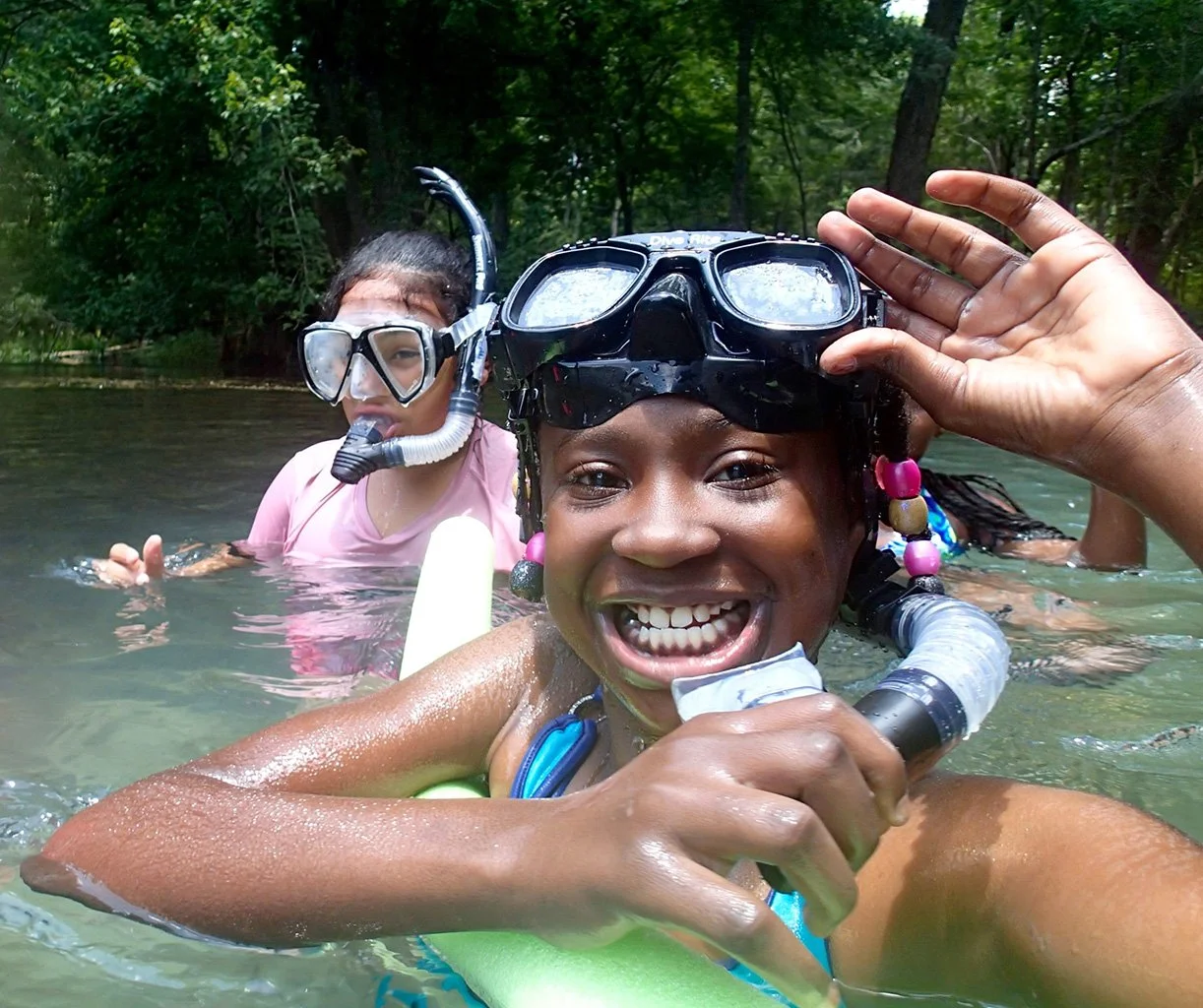
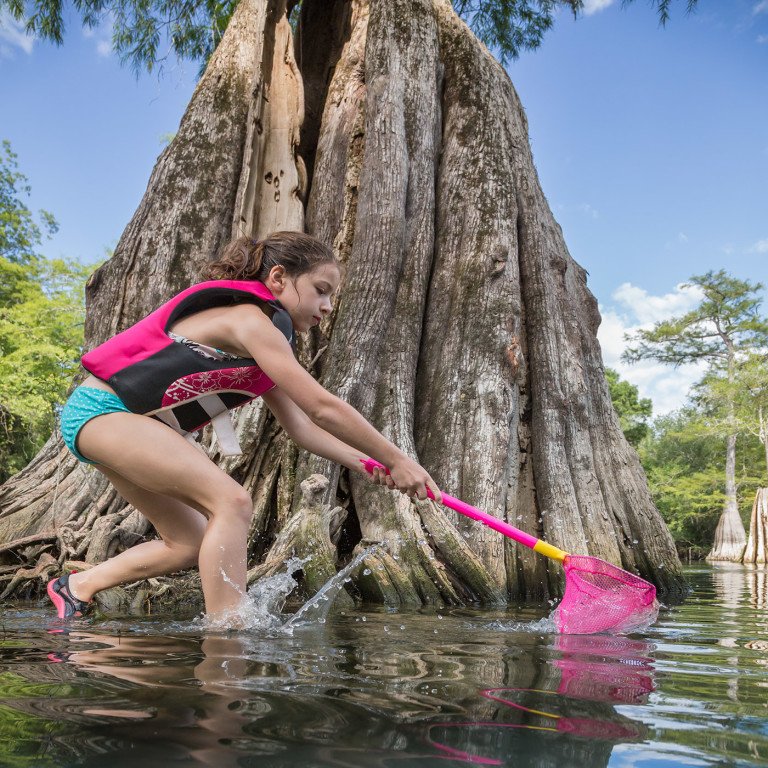
Diverse experiences such as snorkeling and canoeing; creating drawings, photographs and stories; conducting science experiments and eating locally sourced food offer each camper multiple opportunities to discover her or his unique relationship to Florida’s magnificent springs. Exploring these vast networks of interdependent life, campers are invited to develop their own sense of place and belonging in nature, as nature.
Whether it’s through art, science or endeavors of the spirit, honing our attention in the wild reveals the abundance of nature’s gifts. As plant ecologist Robin Wall Kimmerer has observed, attention creates connection, stimulating curiosity and relationship. We foster respect for our differences as well as our commonalities when we learn from intelligences other than our own. Gifts inspire gratitude, which, in turn, inspires a culture of affective ecology: a joyful, informed and nourishing reciprocity where each of us gives back to the earth through our own unique talents and gifts.
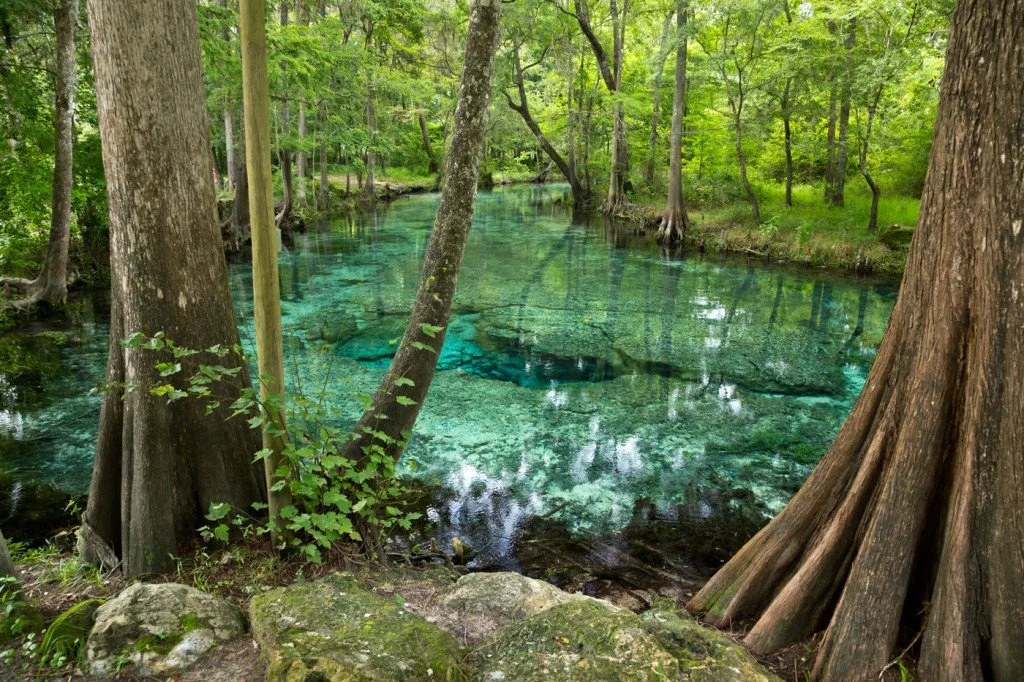
Dive into a healthy spring and you’ll discover another world embedded in our own. Light scatters in waves of jeweled prisms, fish swim through air, turtles fly and plants blow delicate streams of bubbles. Encounter a gar or a bowfin and suddenly 150 million years of nature’s evolutionary brilliance is looking back at you, the latecomer, and checking you out.
Our springs are the amniotic fluid of Florida’s future. Look, listen and learn— DIVE IN if you dare!
–Lesley Gamble, Springs Eternal Project (2016)
2016 Springs Camp
-
In the summer of 2016, a group of 16 middle school students set out to explore the real magic of Florida: our magnificent blue water springs.
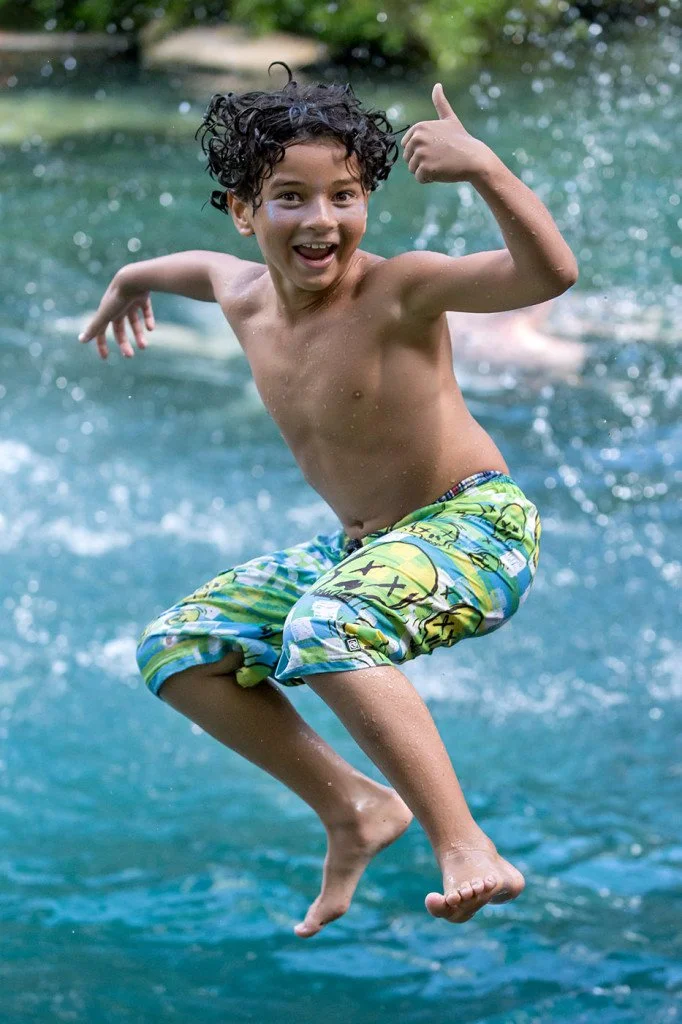
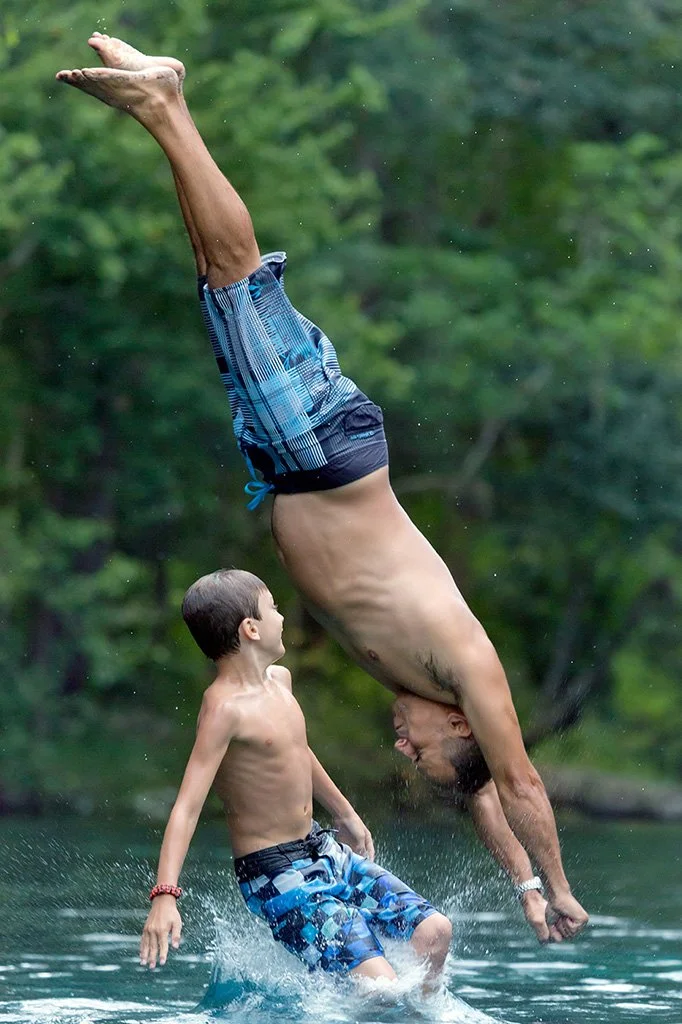
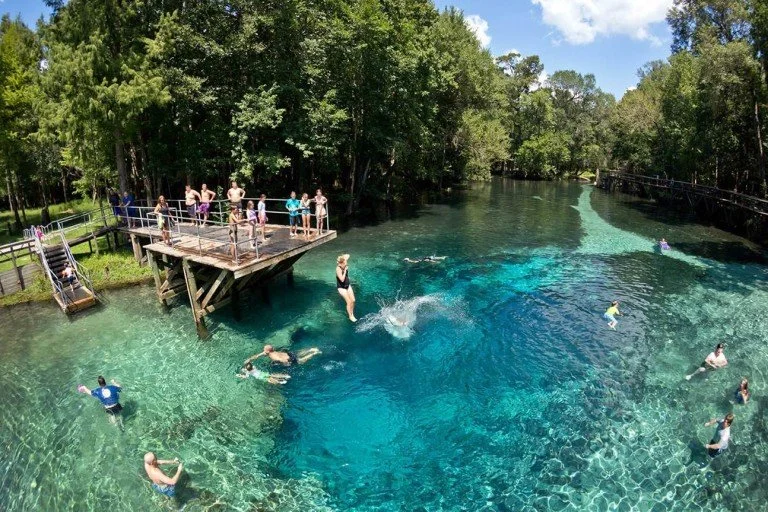
Florida is home to the largest concentration of freshwater springs in the world. While many Floridians consider the faucet or plastic bottle the source of their drinking water, our campers discovered otherwise. For six days they swam and snorkeled in it, kayaked on it, and camped above it, conducting science experiments, writing, and making art with leading springs and aquifer experts.
Campers had opportunities to explore environmental journalism with award-winning author Cynthia Barnett, drawing with internationally renowned springs artist Margaret Ross Tolbert, and photography with acclaimed nature photographer John Moran and Kristen Grace of the Florida Museum of Natural History. They investigated the aquifer with biologist, diver and National Geographic Young Explorer Jenny Adler, built a model aquifer and examined fossils with artist and museum fabricator Karen Chadwick, and learned how to assess the health of a spring by conducting daily science experiments with our Field Director, Tom Morris. A veteran biologist, cave diver and springs researcher, Tom was perhaps best known as one of the “stars” of the PBS series, Water’s Journey.
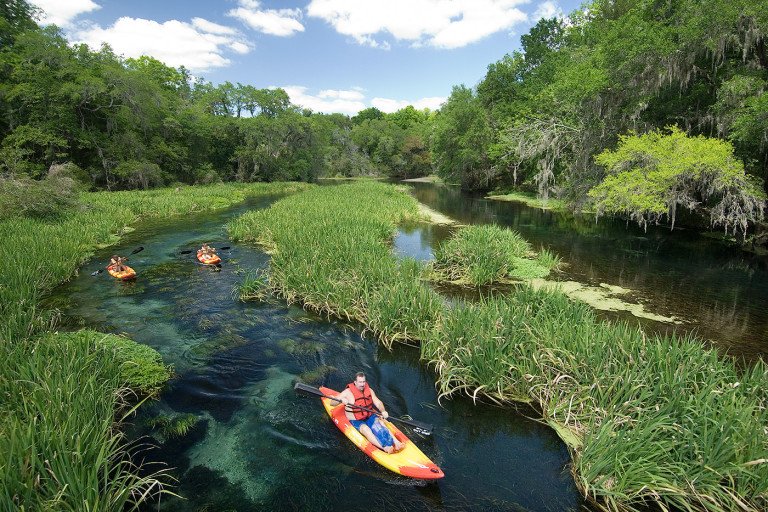
They kayaked the spring-fed Santa Fe River with author and Master Naturalist Lars Andersen, went “spring hopping” to local area springs, and investigated connections between healthy springs and sustainable food with Anna Prizzia and Val Leitner of Forage Farm, who prepared locally sourced meals each day. Click here for faculty and staff biographies.
-
Science, writing and art-making were forms of research, expression, communication and discovery during the camp. Our goals were for participants to enjoy nature and develop outdoor skills; cultivate their natural curiosity and creativity to make a personal connection with Florida’s springs; and investigate, from multiple perspectives, how human and natural worlds are vitally interdependent.
This meant beginning to explore how the health of Florida’s springs and aquifer were directly related to the ways in which we define and use land, water and energy, choices that reflect how we imagine and experience ourselves in relationship to natural systems, our communities, and each other.
-
Engaging with artists, writers and researchers, campers were exposed to potential areas of study and future career possibilities in the sciences and humanities. Our hope was that campers would take what they learned and experienced back home with them, share it with friends, families and peers, and build on it throughout their lives, becoming “Ambassadors” for Florida’s springs.
To this end, video was a powerful medium. Environmental filmmaker Eric Flagg (Director of Gimme Green, Ichetucknee Dreaming, and Following the Ichetucknee) spent the entire week in camp, cameras in hand, documenting activities and their impact on campers.
Our intention was to help participants retain what they had learned, to give them media to share as peer educators, and to expand our educational outreach, offering an opportunity for those who could not attend the camp to learn more about our springs. The documentary videos were made available on our website SpringsEternalProject.org (free to download) and also traveled with the Springs Eternal: Florida’s Fragile Fountains of Youth exhibition traveling the state.
We named the camp after the Springs Ambassadors program initiated in 2002 by Jim Stevenson, retired chief biologist for the Florida Park Service and chair of the Florida Springs Task Force. Jim’s program was designed to educate adults about impacts on their local springs so they could talk with their neighbors about conservation and stewardship. Our camp honored Jim’s work and built on his idea of a “neighborly” education, one that emerged from a deep love for nature and our local place as shared.
-
We’ll be swimming, snorkeling, kayaking and generally playing around in the water with people who love, study and champion Florida’s springs. If you don’t know how to do any of these activities, we’ll teach you.
Investigate drawing, testing water quality, examining fossils, observing and learning about critters and plants, and taking pictures both in and out of the water. All to explore the magic and the mysteries of our springs and aquifer, and to discover how they work.
We’ll experiment with writing from the perspective of journalists and artists, and begin to make connections between what we do in our everyday lives and the conditions we find in our springs. We’ll eat delicious food grown locally and ask: “What are the relationships between the food we eat, the land it was grown on, the springs we swim in and the water we drink?” We’ll work on camping and nature survival skills, too, or develop some if you haven’t camped before.
Our hope is that you’ll leave knowing a lot more about our springs and aquifer: why they’re so important; how they work to support plant, animal and human ecosystems; what factors contribute to their health, beauty and diversity of life; and how our daily choices impact them, even if we live far from a spring.
You’ll accumulate memories and skills, stories to tell, a pile of stinky clothes and 15 new friends, not counting all the turtles, fish and other aquatic creatures you might fall in love with. We hope you’ll share your stories, photos and drawings, if not the grungy clothes, with your families, friends and community.
Most of all, we hope you’ll visit the springs again and again, bring someone who’s never seen them, and keep asking questions. Initiate your own springs projects! You can be an explorer, guide, and guardian of Florida’s fantastic springs.
-
The 2016 Springs Ambassadors Camp was a pilot program, limited to a group of 16 campers over six consecutive days.
STAFF: Safety was our primary concern. Staff included Camp Producer Lesley Gamble of the Springs Eternal Project, Camp Director Katie McDonald, Field Director Tom Morris, Associate Field Director Natalie Lyons, Food Director Val Leitner, and four counselors, in addition to the teachers listed above. The counselor to camper ratio was 1 to 4, and counselors were certified lifeguards. Click here for faculty and staff biographies.
AGES: Completed 6th grade to completed 8th grade.
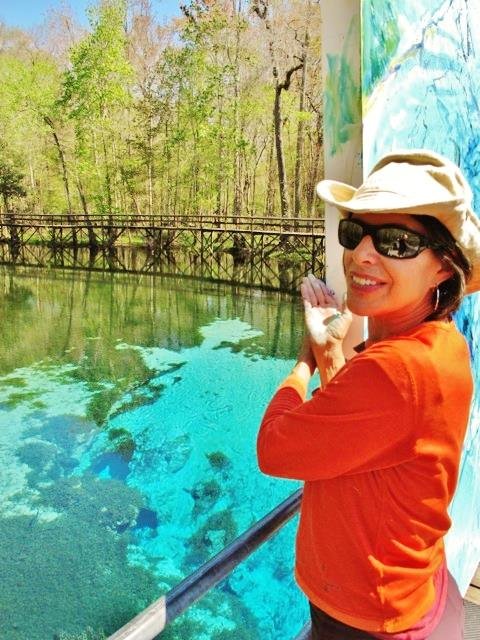
WHERE: Blue Springs Park, a family-oriented park in High Springs, FL. Campers camped outdoors in tents for five nights.
They also kayaked to Ginnie Springs and spent a day “spring hopping” via coach to other local springs.
WHEN: Sunday afternoon to Friday evening.
The camp ended on Friday evening with a cookout at Blue Springs for campers and their families.
TUITION: $600, which included six days and five nights of tent camping, all food, programs, art and research materials, a kayak trip to Ginnie Springs, and a day of “spring hopping” via coach.
SCHOLARSHIPS: A limited number of full scholarships (all tuition paid) and partial scholarships ($300, half tuition) were available.
The goal was for the camp to reflect the diversity of local communities. Scholarships were available for those who wished to attend but could not afford the full tuition. Applicants were encouraged to apply if they were passionate about learning about Florida’s springs, willing to engage fully with springs experts and fellow campers, and committed to sharing what they learned with their peers and community.
HOW TO APPLY: The camp was limited to 16 campers. Applications were accepted through April 22, 2016. Please note that an application did not guarantee a spot in the program. Notifications were sent by May 3.
Applicants submitted the Application Form and selected the appropriate box: Full Tuition ($600), Partial Scholarship ($300), or Full Scholarship ($0). Applications also included a short essay.
Application Essay: Applicants wrote a short essay (1–2 paragraphs) explaining why they wanted to participate in the camp and what talents, questions, and interests they would bring.
Lesley Gamble, Camp Producer
Katie McDonald, Camp Director
A fountain of thanks to our sponsors & partners!