Take Action Now:
13.
Create Your Own Springs Project
It’s a privilege for us to work on the Springs Eternal Project—a genuine labor of love— and we’re delighted to share it with you.
We hope that you’ll become A VOICE FOR FLORIDA’S SPRINGS, too, speaking from your own unique perspective, in your own style, using your specific strengths, skills and creative desires to initiate your own springs projects. DREAM, SCHEME, COLLABORATE AND INNOVATE. And keep us posted!
Past Projects
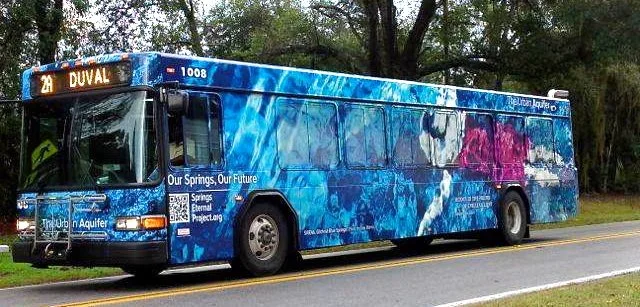
The Urban Aquifer SIRENA bus, a collaboration between Lesley Gamble, Margaret Ross Tolbert, Tom Morris and Mark Long.
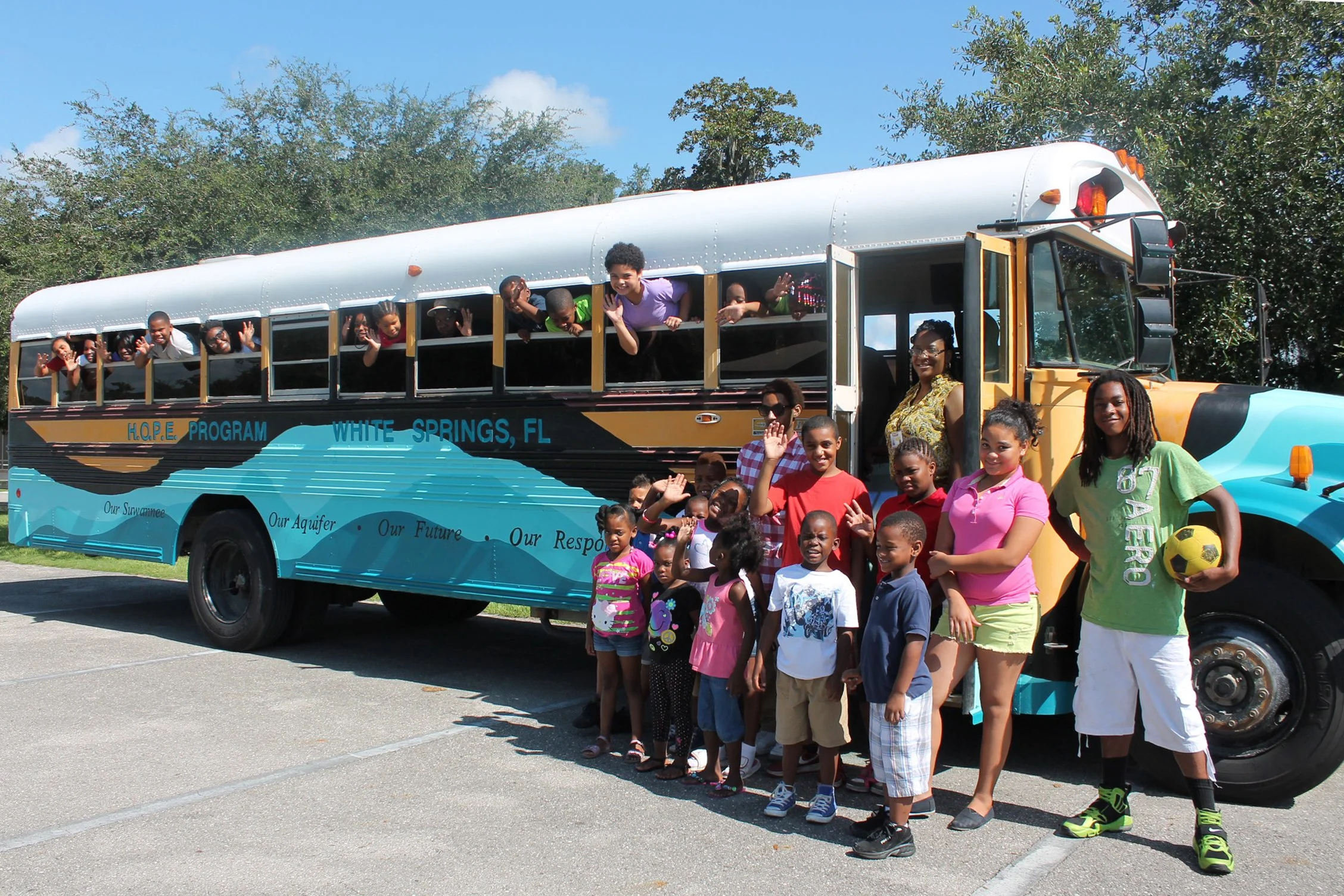
Tracy Wyman’s aquiPROJECT teams up with the kids from the White Springs H.O.P.E. Program and Lesley Gamble’s URBAN AQUIFER to create the first Rural Aquifer bus.
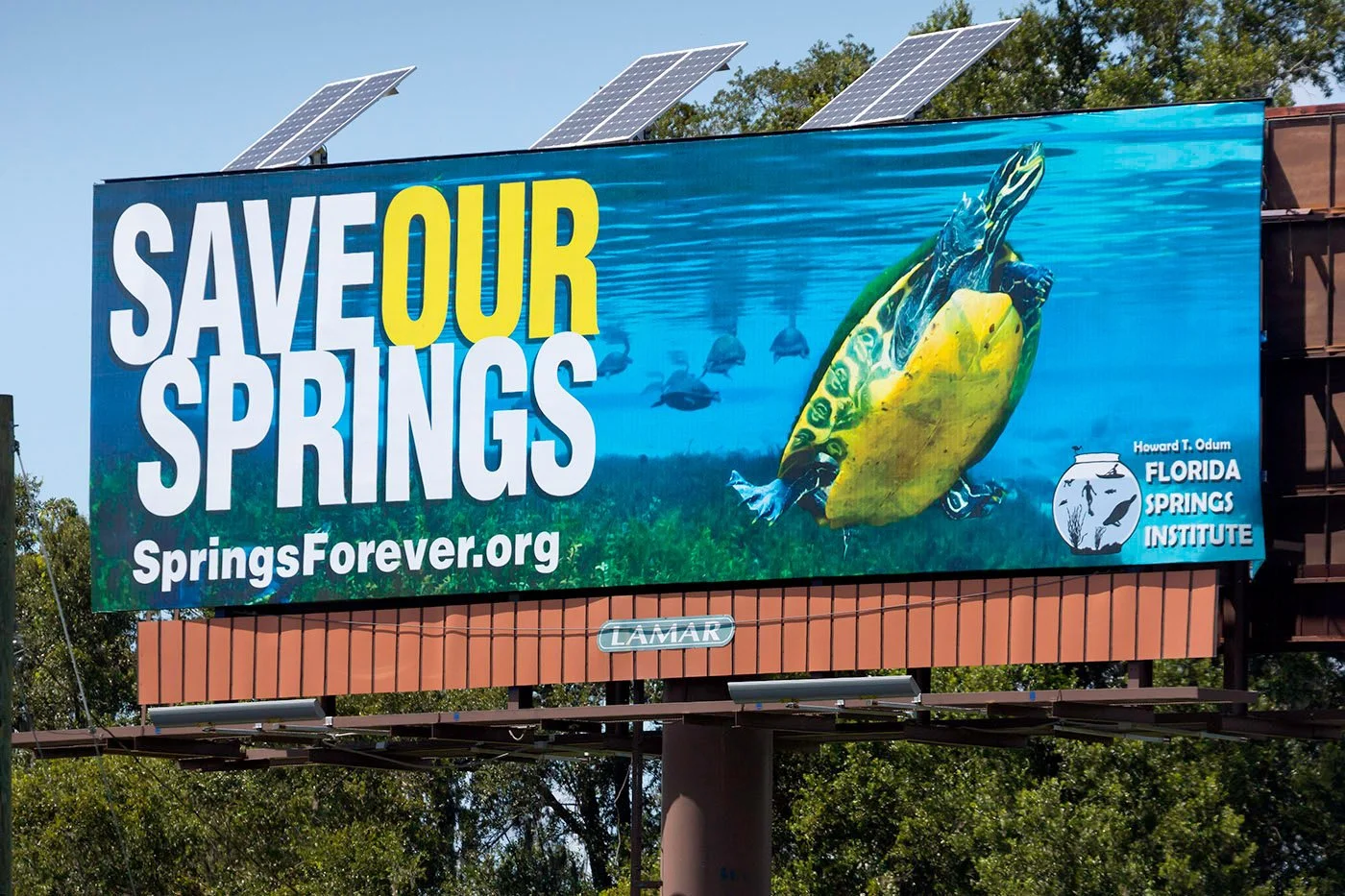
Billboard on I-75, Florida Springs Institute. Photo by John Moran, design by Rick Kilby
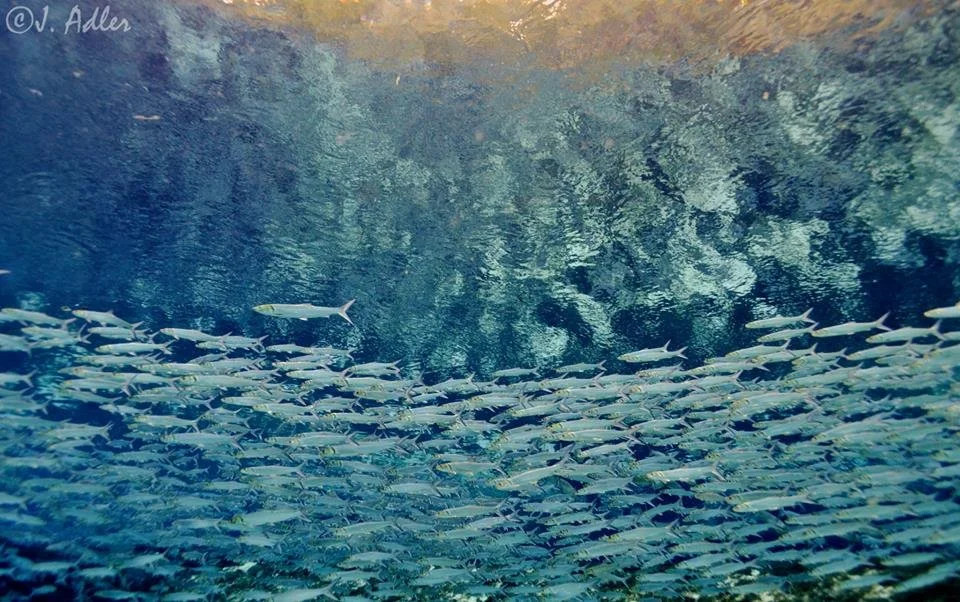
Jenny Adler’s Springs Blog
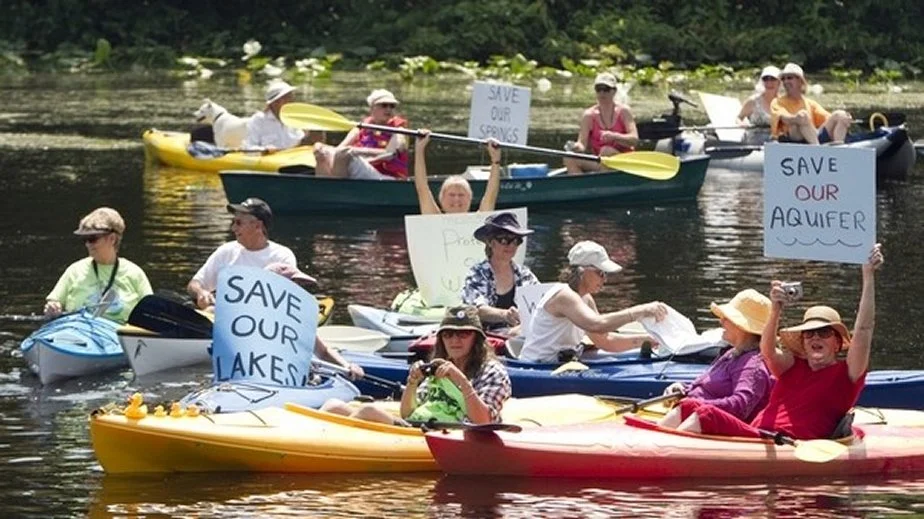
Flotilla Rally for Silver Springs, June
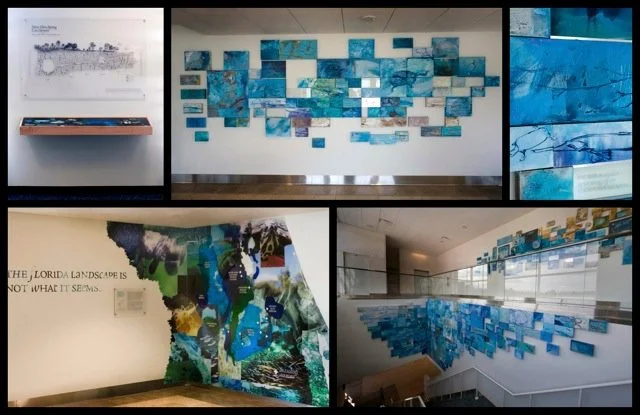
Margaret Ross Tolbert Springs Installation, Orlando FL International Airport
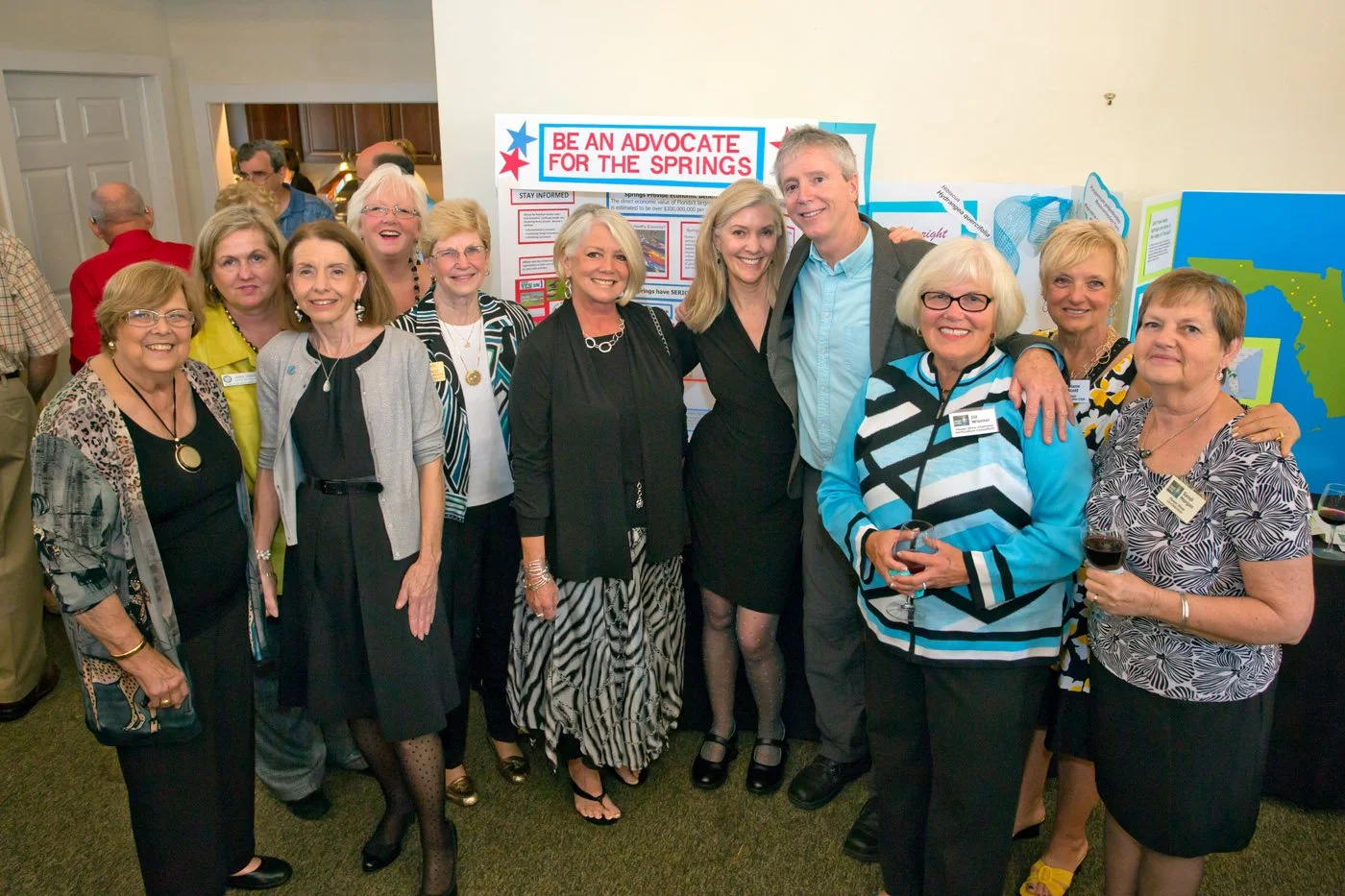
Dade City Garden Club created the first SPRINGS ETERNAL FLOWER SHOW. High attendance, great energy and creative expression, and a strong message of advocacy for our springs made this show not just a popular event but a page in springs history.
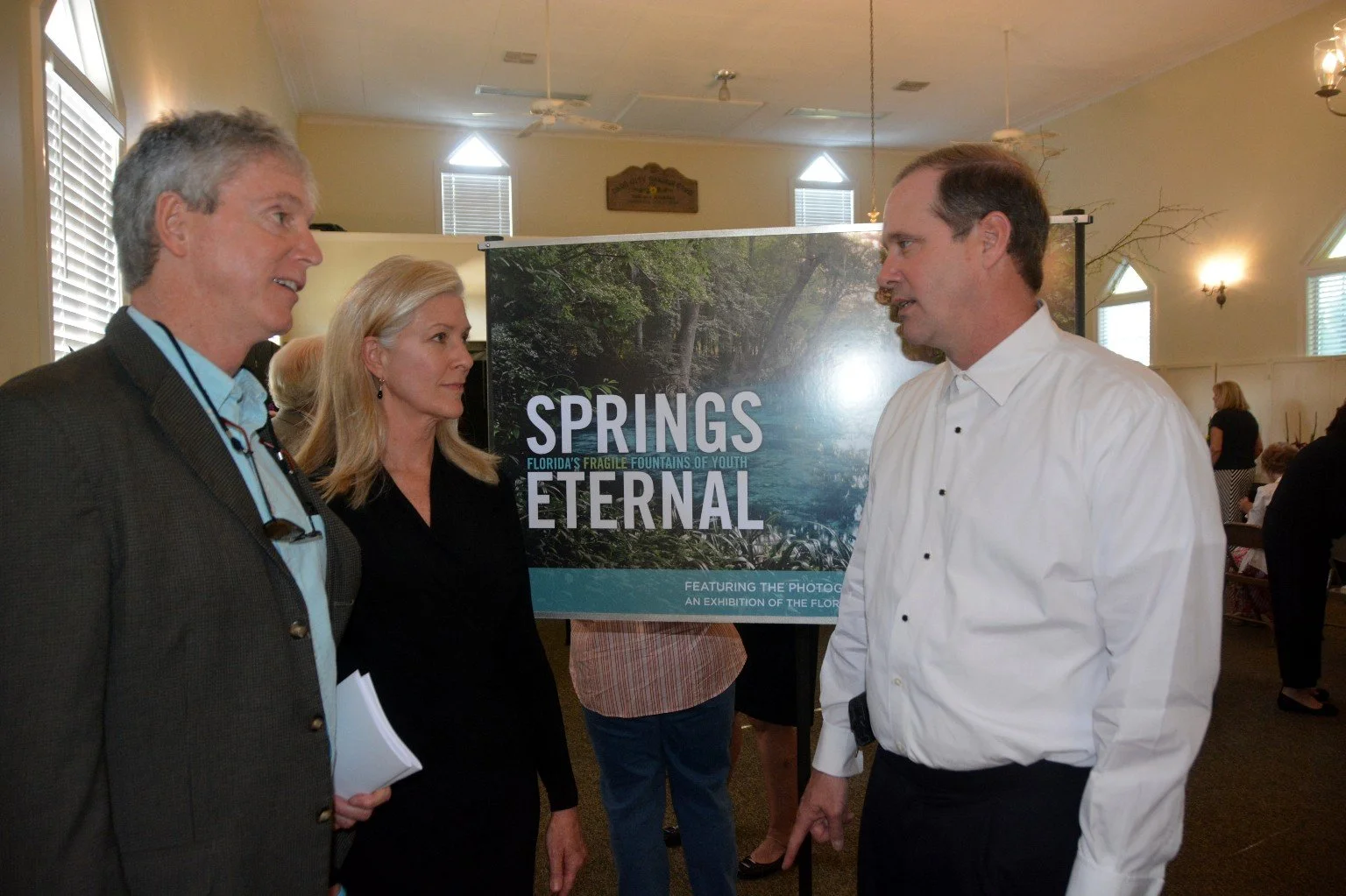
Springs Eternal Project Co-Directors John Moran and Lesley Gamble with Senator Wilton Simpson (right), one of the co-sponsors of the SPRINGS AND AQUIFER PROTECTION ACT. Senator Simpson was on hand to speak about recent efforts to advance springs legislation and the need for clean water. Dade City Garden Club’s Springs Eternal Flower Show, March 2014.
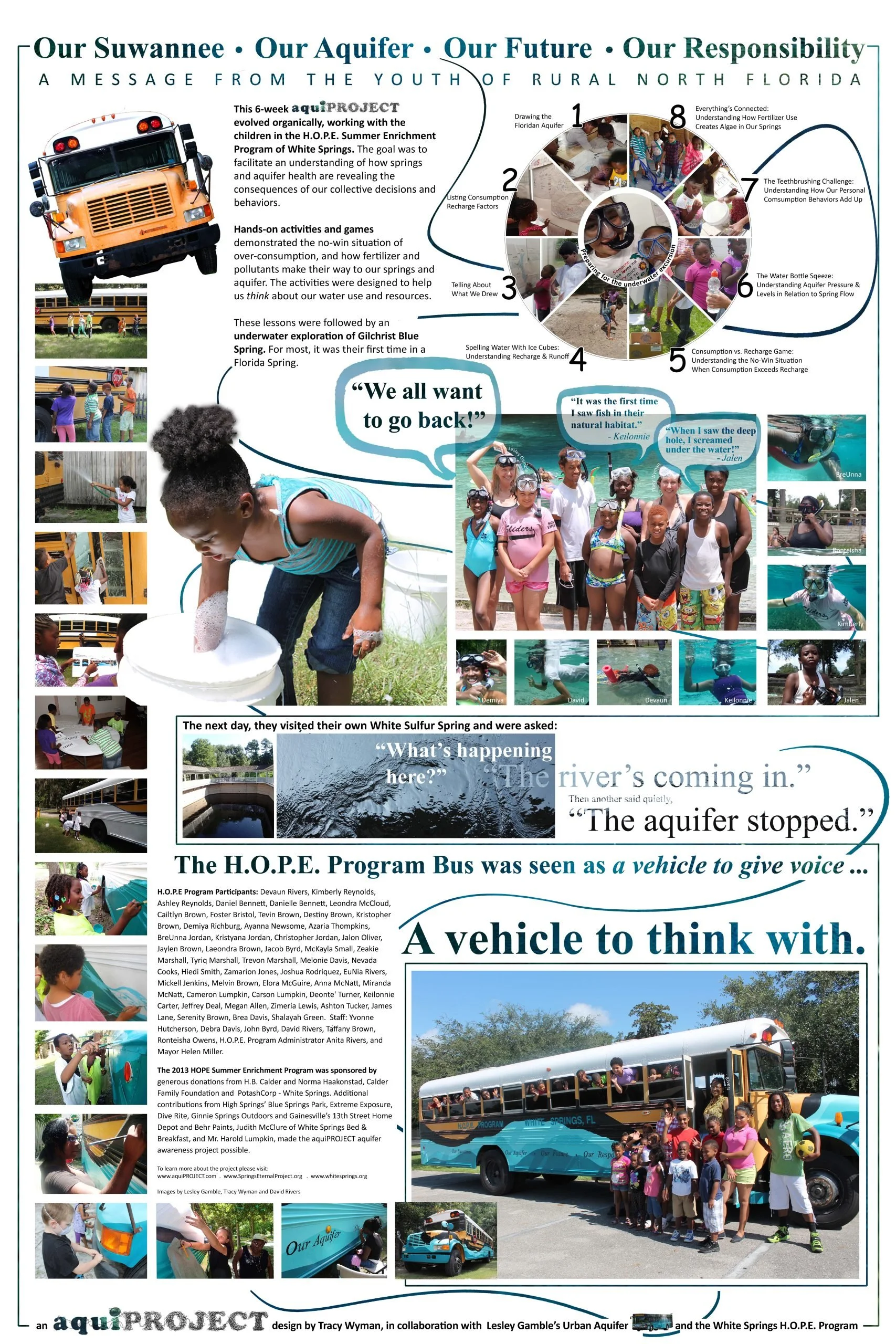
This poster documents a six-week educational project involving youth in North Florida focused on understanding springs, the aquifer, and water use. Through hands-on activities, students explored how human behaviors, such as fertilizer use and water consumption, affect spring ecosystems. The project included field visits to local springs, where students observed environmental changes and reflected on their experiences. The poster includes photographs of participants, quotes from students, and descriptions of learning activities related to groundwater, recharge, and environmental responsibility.
-
Our Suwannee • Our Aquifer • Our Future • Our Responsibility
A Message from the Youth of Rural North Florida
Project Overview
This six-week aquiPROJECT evolved organically through work with children in the H.O.P.E. Summer Enrichment Program in White Springs, Florida.
The goal was to help students understand how the health of springs and the aquifer reflects the consequences of our collective decisions and behaviors.
Learning Through Experience
Hands-on activities and games demonstrated the challenges of overconsumption and showed how fertilizer and pollutants travel into springs and the aquifer.
These activities were designed to encourage students to think more deeply about water use, resource management, and environmental responsibility.
Exploration of the Springs
The program included an underwater exploration of Gilchrist Blue Spring.
For many students, this was their first time visiting a Florida spring.
“We all want to go back!”
Key Learning Activities
Students explored a range of interconnected concepts related to water systems and human impact, including:
Drawing and understanding the Floridan Aquifer
Identifying factors that affect water consumption and recharge
Sharing and explaining their observations
Learning about recharge and runoff
Exploring the balance between consumption and recharge
Demonstrating aquifer pressure through hands-on experiments
Reflecting on everyday water use, such as toothbrushing
Understanding how fertilizer use contributes to algae growth in springs
Student Reflections
“It was the first time I saw fish in their natural habitat.”
“When I saw the deep hole, I screamed under the water!”Returning to Their Own Spring
The following day, students visited White Sulfur Spring and were asked to reflect on what they observed:
“What’s happening here?”
“The river’s coming in.”
“The aquifer stopped.”Program Vision
The H.O.P.E. Program Bus was seen as a vehicle to give voice to these experiences and reflections.
A vehicle to think with.
Participants and Contributors
This project was created with youth participants from White Springs, Florida, along with educators and collaborators involved in the H.O.P.E. Program and aquiPROJECT initiative.
Credits
Design by Tracy Wyman, in collaboration with Lesley Gamble’s Urban Aquifer and the White Springs H.O.P.E. Program.