Rainbow Springs
History
Rainbow Springs has served as an important natural resource for animals and humans for many years. At one time, mastodon and mammoth lived here and their fossils were found in the Rainbow Springs, along with relics of the Native Americans who used the river for transportation and fishing. The Timucua Indian tribes lived in a broad area of North Central Florida and were present at Rainbow Springs. Arrowheads and earlier stone tools have been found in and around the springs.
Much later, in the early 20th century, men began mining the surrounding area for phosphate. The new industry brought a boom and the towns of Juliette and Dunnellon were founded. Juliette, once located on what is now park property, no longer exists, but Dunnellon continues to be an active community, welcoming visitors to enjoy area gems such as Rainbow Springs State Park
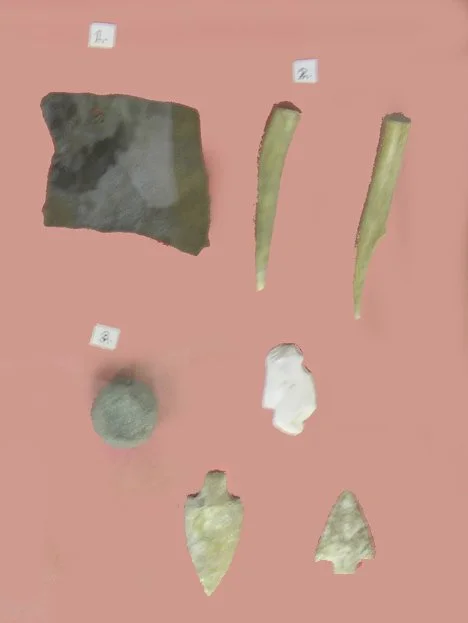
Prehistoric Tools
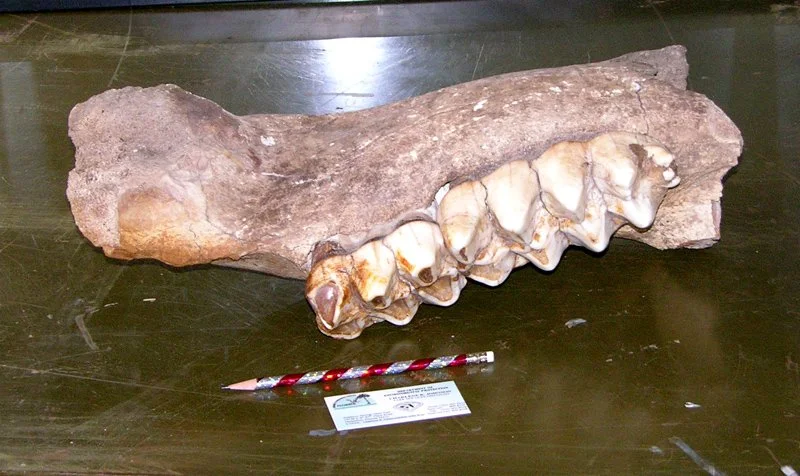
Mastodon Jaw
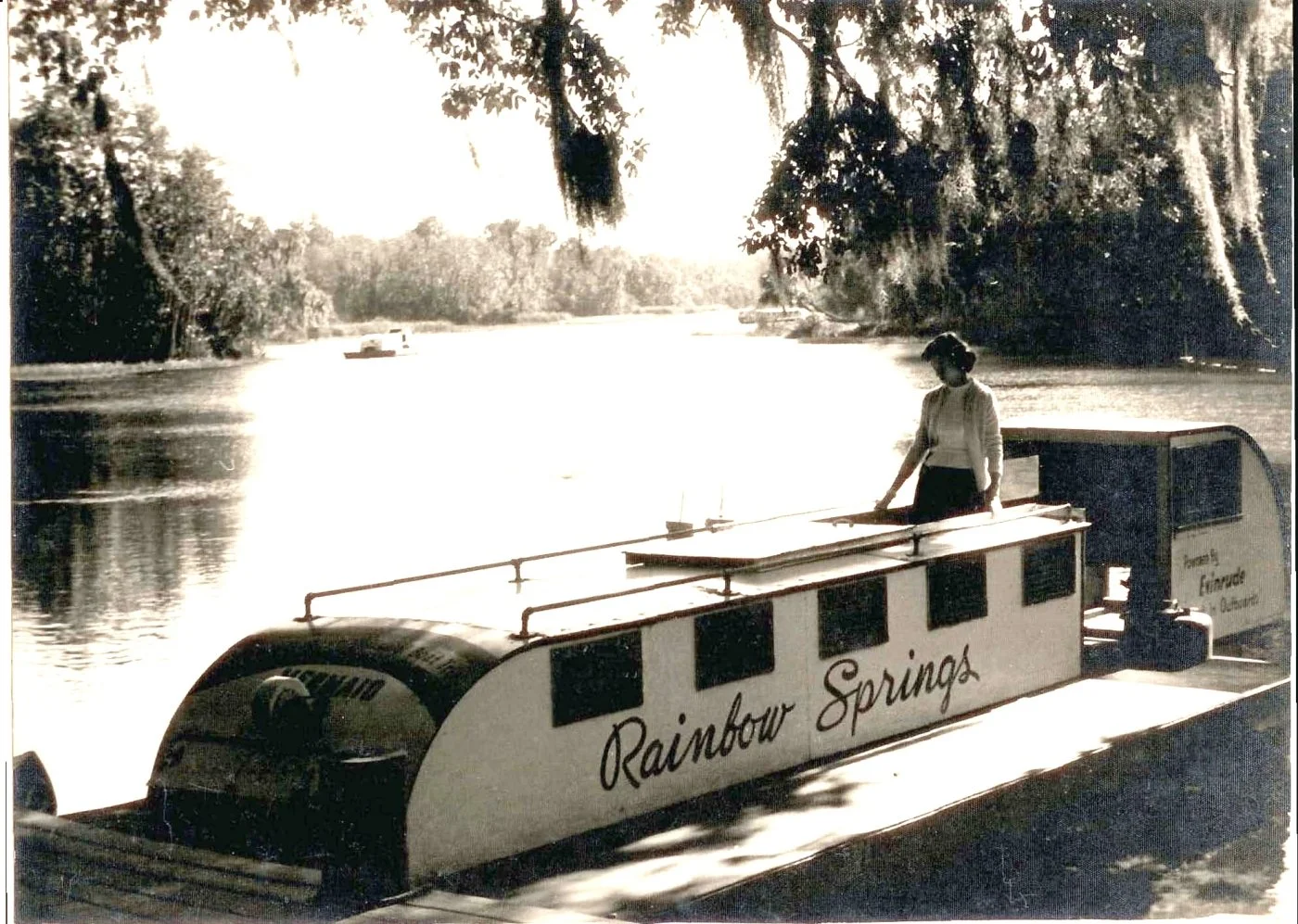
Rainbow Springs Tourist Boat
Another feature found only at Rainbow Springs was the Leaf Ride, a monorail system with leaf-shaped gondolas used to transport visitors through the park at tree level. This feature was added to the park in the 1960s. Visitors enjoyed viewing a large aviary, three waterfalls, a rodeo, a small zoo complex and a historic garden.
One of the features that separated Rainbow Springs from similar attractions was the way that visitors could view the spring bottom. Most springs offered some form of glass bottom boat ride, enabling visitors to view the spring through the clear glass floor. But at Rainbow Springs the distinctive sub-boats had stairs that went below the waterline of the boat and visitors could look out at eye level.
The boats were steered by a captain who told the story of the springs and the creatures that called the springs home. A zoo, rodeo, and gift shops and honeymoon cabins were added.
In 1972, the U.S. Department of the Interior designated Rainbow River as a National Natural Landmark. It is also an aquatic preserve and an Outstanding Florida Water.
A few Mullet can be seen but their numbers are low. I n the 1920s, this spring was a favorite spot for tourists and locals. As the attraction grew, the river was dredged for glass bottom boat tours; and waterfalls were built on piles of phosphate tailings.
The privately owned Rainbow Springs attraction opened in the 1930s, joining the ranks of family oriented venues that were bringing a great deal of tourism to Florida. The major highways in the state at the time were U.S. 1 on the east coast, U.S. 41/441/27 through the center of the state and U.S. 19 on the west coast. Attractions were often built along these highways and capitalized on the natural beauty of Florida, especially its springs. Before the building of the attraction, the Rainbow River was known at different times as Wekiwa Creek or Blue Run. ‘Rainbow River’ seemed more marketable and the names of the river and springs were changed to the names they bear today.
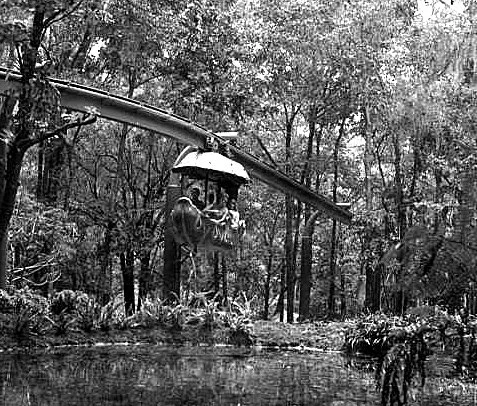
Leaf Monorail Rainbow Springs
The ownership of the Rainbow Springs attraction changed hands several times, and at one time was owned by S&H Green Stamps and Holiday Inn. The development of the interstate highway system in Florida eventually led to the demise of the Rainbow Springs attraction. The interstate passed by the small towns that hosted such attractions and newer, modern attractions in Orlando drew many away from the older parks. By 1974, Rainbow Springs was closed and the facilities fell into disrepair.
It reopened as a state park in 1990, following petitioning by concerned citizens on behalf of the attraction, the state of Florida purchased Rainbow Springs. It opened to the public as a state park on a full-time basis in 1995.
On October 25, 1990, Rainbow Springs State Park joined the Florida Park Service. The spring was saved from direct encroachment and in the process a part of Florida history was preserved as well. The citizens that supported the acquisition of the park soon formed the park’s Citizen Support Organization, called Friends of Rainbow Springs, Inc. This organization led the way in opening the park by physically clearing paths and bringing life back to the gardens and other features. By 1993, state funding allowed for park staff to join the volunteers. Today, the park consists of more than 1,470 acres and has three main entrances. The main park entrance is still on U.S. 41 and at the headsprings of the Rainbow River. The campground and tubing entrance are about seven miles away, by car. Both of these areas have new facilities and open up new recreational opportunities for park visitors. Stop for a visit and experience the Real Florida at Rainbow Springs State Park.
Note: Most of the information for this historic review was supplied by Rainbow Springs State Park staff and The Friends of Rainbow Springs.
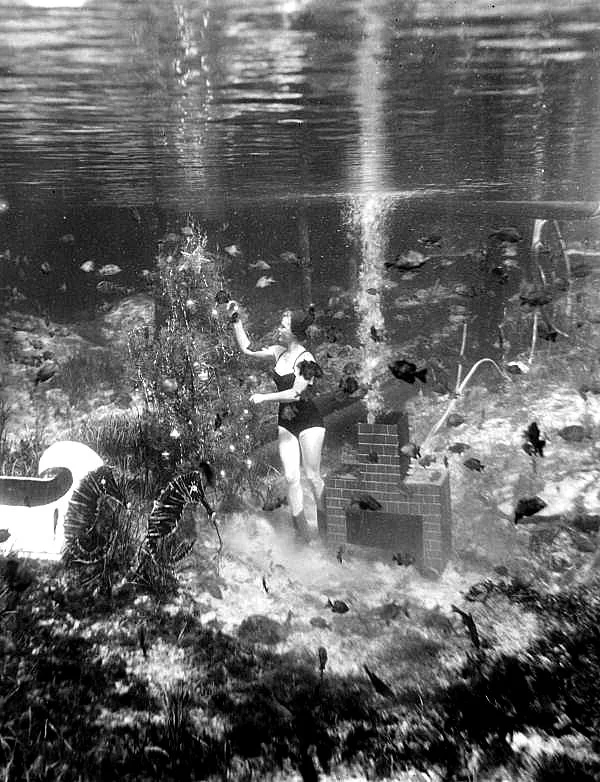
Mermaid at Rainbow Springs (1960s)
Learn more about Rainbow Springs
-
![Child reclining and smiling in a red kayak while an adult sits behind them on calm water]()
Why We Love This Spring
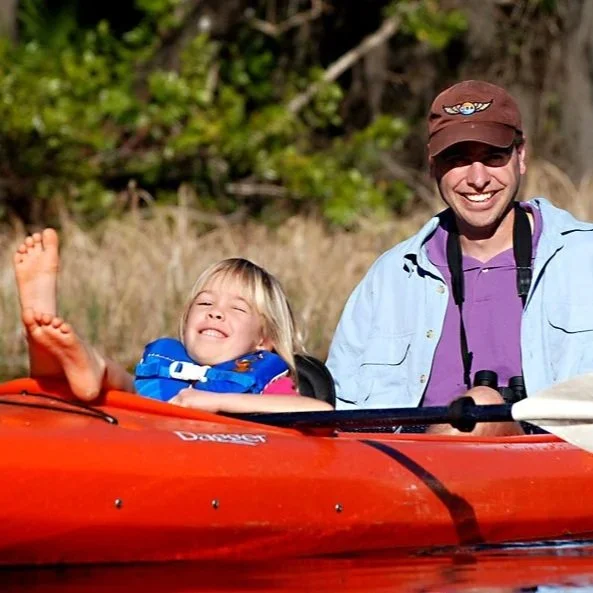
Rainbow Springs gathers wildlife and people at its clear, steady headwaters, where 72 degree water flows year round. It is a place of refreshment, magnificent beauty, and quiet recreation.
-
![Three people standing at the edge of a clear blue spring, looking into the water beneath a wooden overlook]()
Know Your Springshed
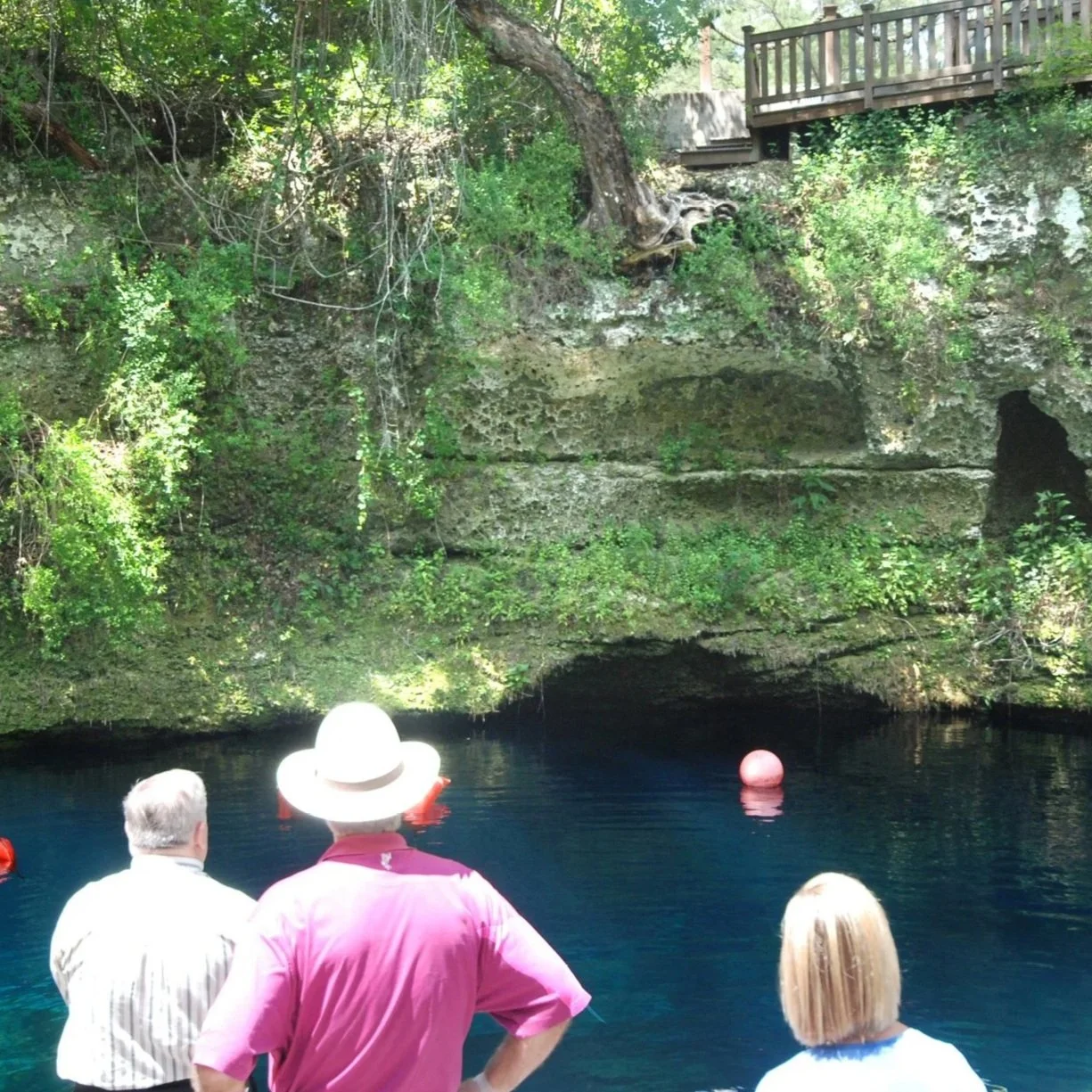
Discover how Rainbow Springs is formed by multiple spring vents rising through Florida’s karst limestone. Its flow depends on a vast recharge area that feeds the aquifer beneath.
-
![Limpkin bird wading in shallow water among tall green grasses with its reflection visible]()
Health & Science
Rising nitrate levels and reduced flow have impaired Rainbow Springs. Increased algae and declining native vegetation reflect impacts from development and groundwater use.
-
![People loading bags of collected trash onto a small trailer during a community cleanup under trees]()
Caring for Your Spring
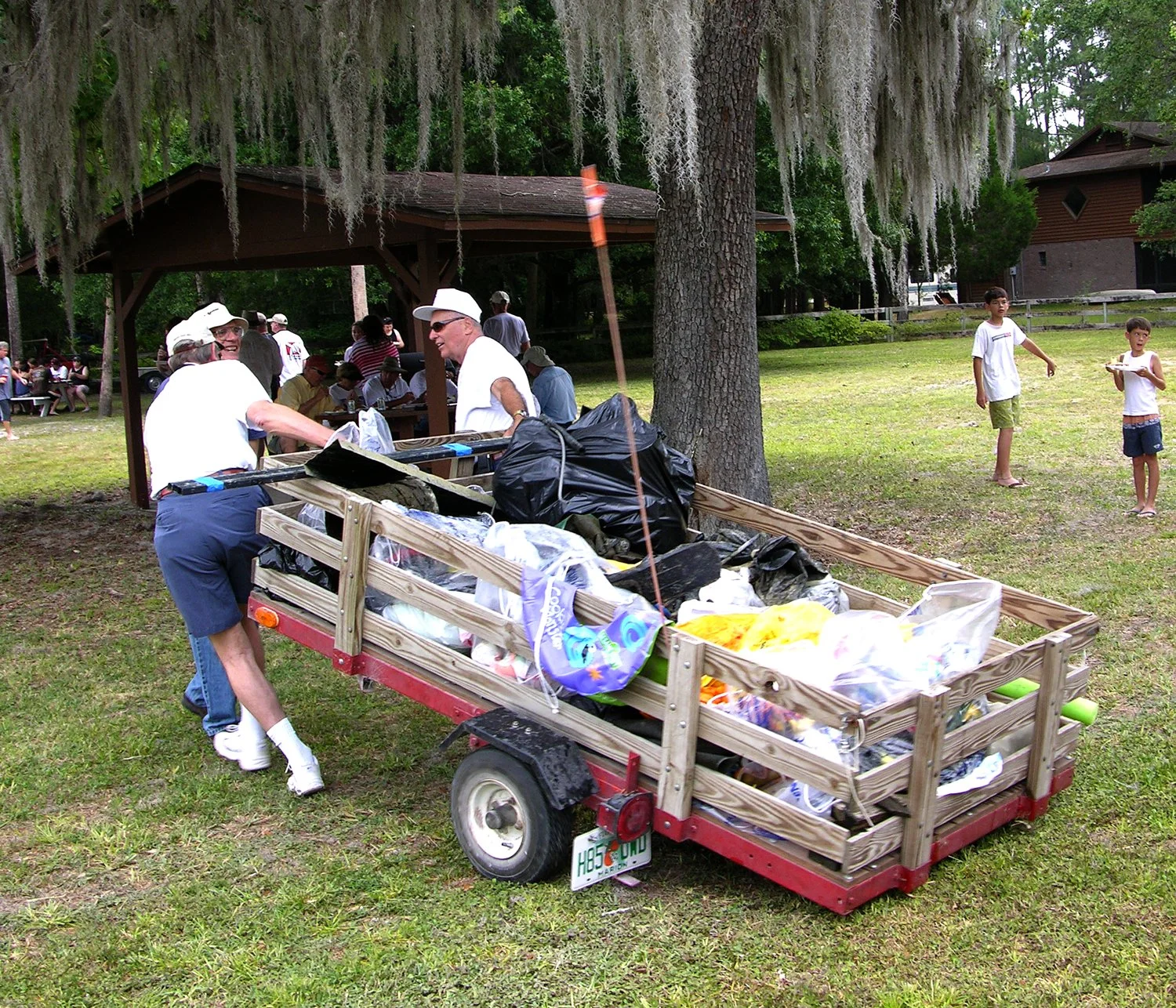
Rainbow Springs is protected through state oversight and active local stewardship. Volunteers and nonprofits lead cleanups, habitat restoration, and education to care for the river.
-
![Crowd gathered at a park pavilion during a community event with people serving drinks]()
News, Events & Public Policy
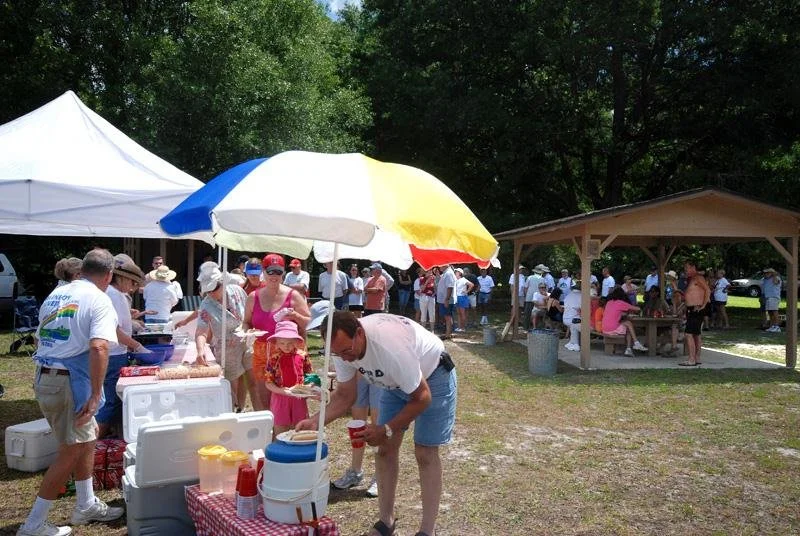
Volunteers unite for the annual Rainbow River Cleanup, collecting trash by boat, kayak, and canoe. The day ends with awards and a community picnic celebrating stewardship.
-
![Misty river scene with a bird perched on a tree branch over the water]()
Groups, Organizations & Resources
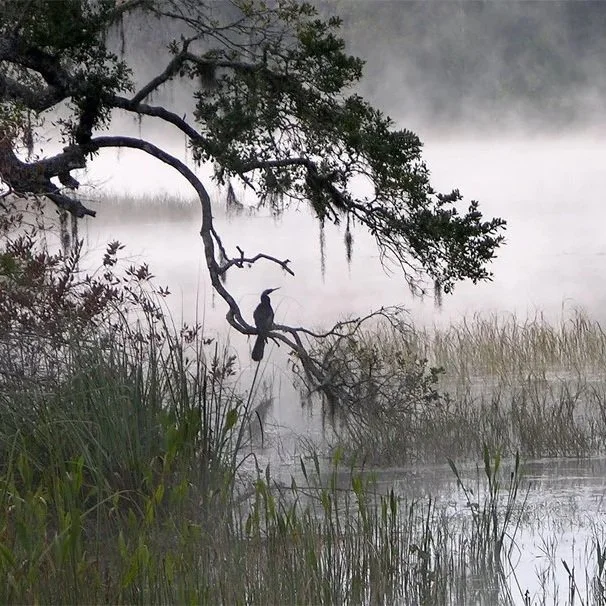
Find contacts and research documents related to Rainbow Springs protection and conservation. These are some of the resources that support ongoing restoration and management efforts.
-
![Sandra Marraffino photographing from a blue kayak on the Rainbow River]()
About Your Moderator
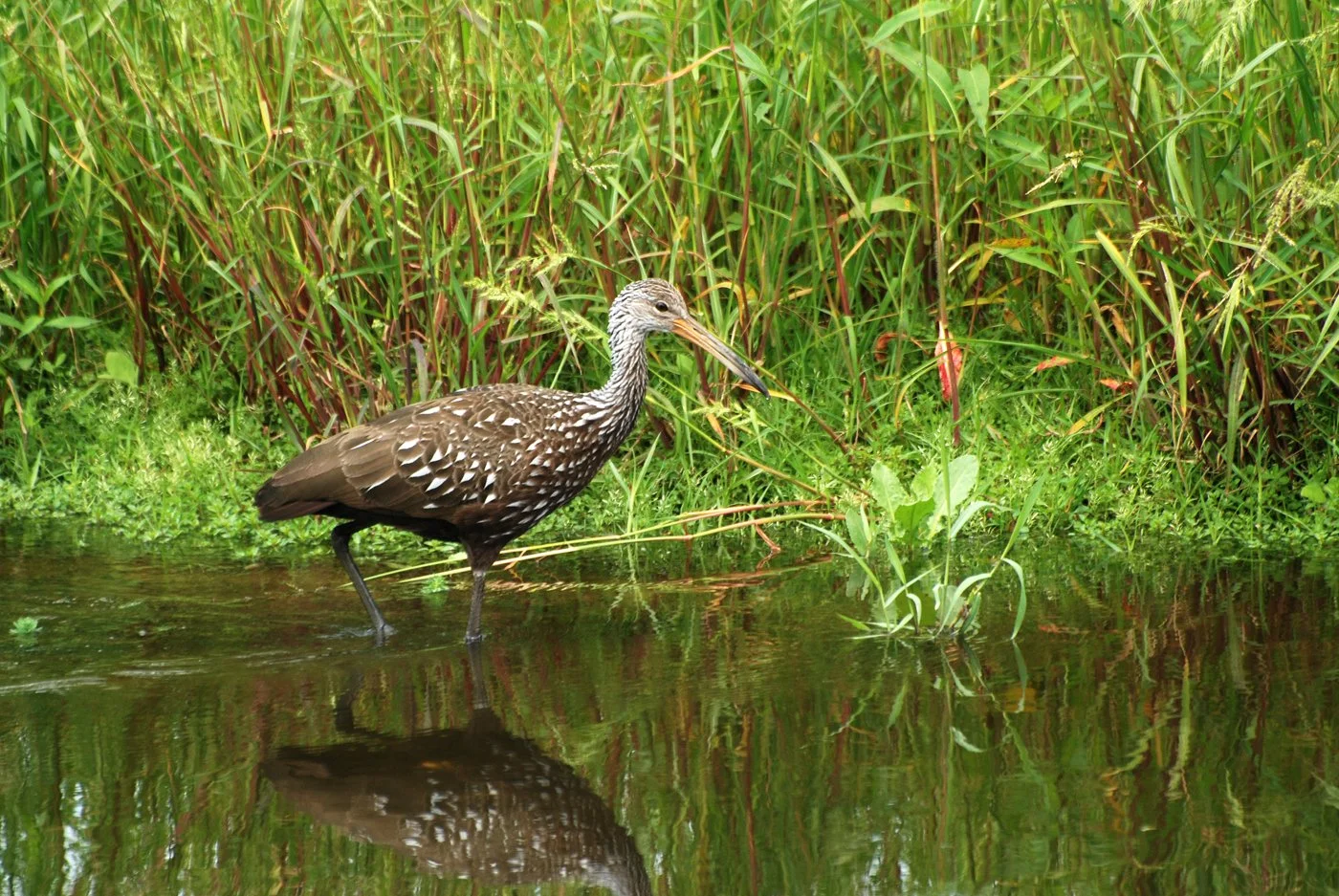
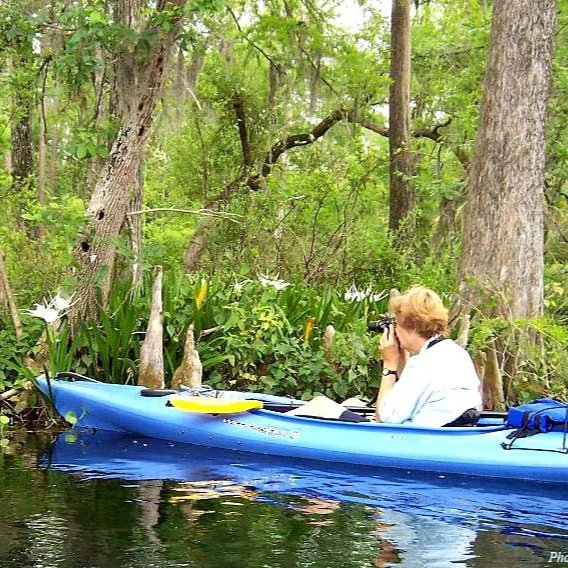
Paul and Sandra Marraffino moved to Dunnellon after being inspired by Rainbow Springs and all its splendor. Sandra now focuses on bird research and conservation in the region.