Rainbow Springs
Caring For Your Spring
Government principals at the state, county and city level know that Rainbow Springs is an outstanding world class natural treasure and they have committed to protect it by bringing resources and allowing visitors to enjoy the springs in some areas and restricting use in others. This allows the vegetation to be robust and wildlife to seek protection and shelter and not be crowded out by human recreation. Florida DEP and the Southwest Florida Water Management District have active programs in monitoring the quality and flow rates of the water with the goal of developing policies that will maintain and improve the quality of Rainbow Springs.
Two non-profit organizations are also active in caring for Rainbow Springs. The Friends of Rainbow Springs (FORS) is headquartered at the Rainbow Springs State Park and is active in park support. It runs weekend programs such as Art in the Park and Cracker Days which draw thousands of visitors.
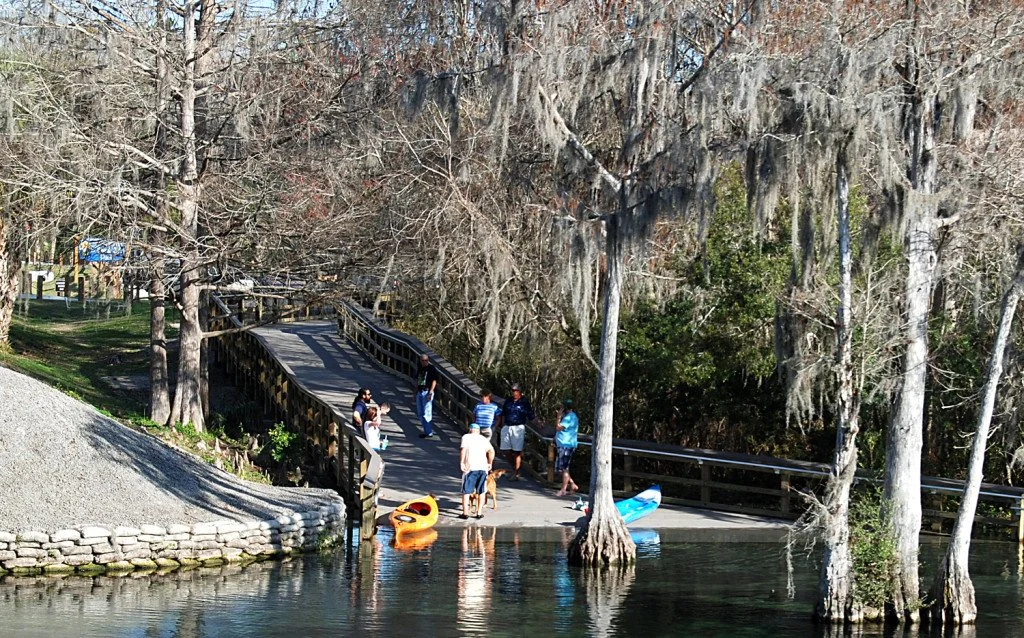
Rainbow River Conservation (RRC) is focused on protecting Rainbow Springs and the full Rainbow River through Conservation, Stewardship, Education and Advocacy. It runs the annual river cleanup in May where 150 or more people kayak, canoe and dive and clean all debris from the river. RRC has installed 48 Wood Duck boxes on the river and maintains them each fall before the nesting season. It has written grants to get river front property acquired. It also wrote the grant the new kayak ramp at Blue Run of Dunnellon Park built and reduce stormwater runoff into the river. RRC supports an education program that recently developed a video showing the value of aquatic vegetation and defining river etiquette for recreational users that will help protect this vegetation. This video is shown at the State Park river access points.
Rainbow River Conservation (RRC) is focused on protecting Rainbow Springs and the full Rainbow River through Conservation, Stewardship, Education and Advocacy. It runs the annual river cleanup in May where 150 or more people kayak, canoe and dive and clean all debris from the river. RRC has installed 48 Wood Duck boxes on the river and maintains them each fall before the nesting season. It has written grants to get river front property acquired. It also wrote the grant the new kayak ramp at Blue Run of Dunnellon Park built and reduce stormwater runoff into the river. RRC supports an education program that recently developed a video showing the value of aquatic vegetation and defining river etiquette for recreational users that will help protect this vegetation. This video is shown at the State Park river access points.
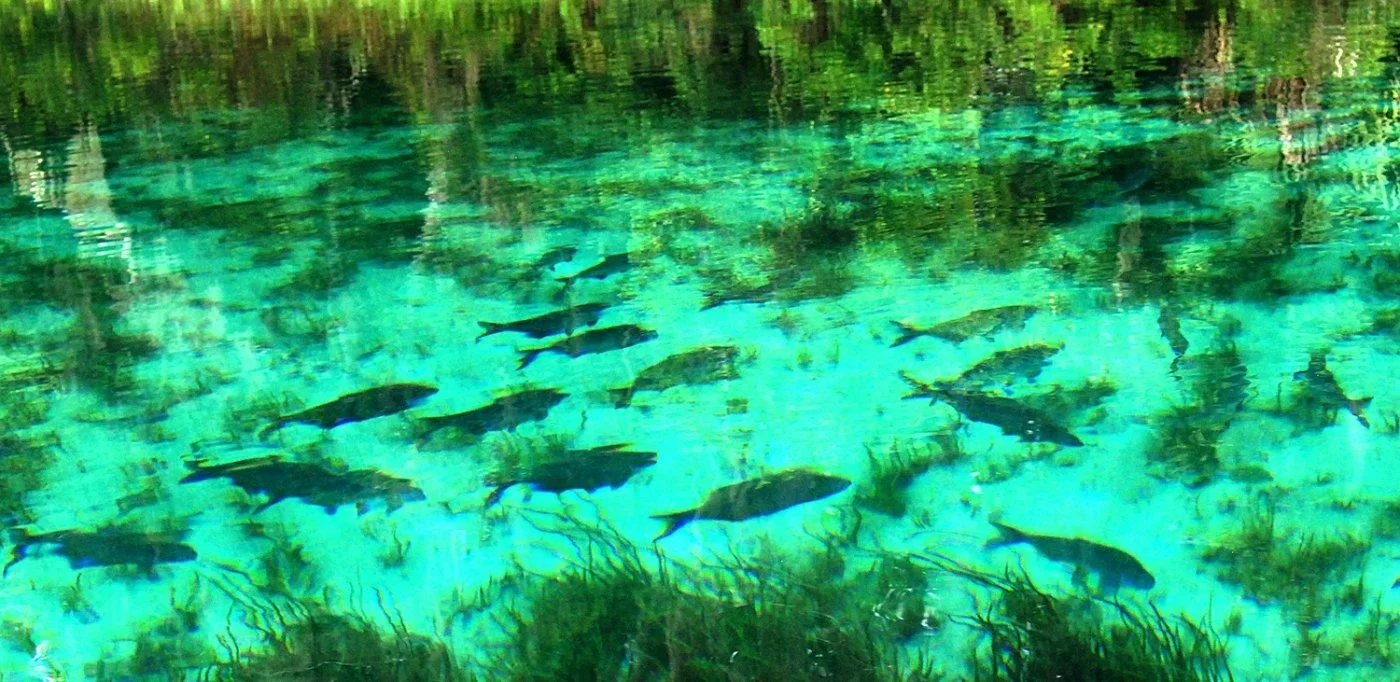
Shad near the headsprings Rainbow Springs
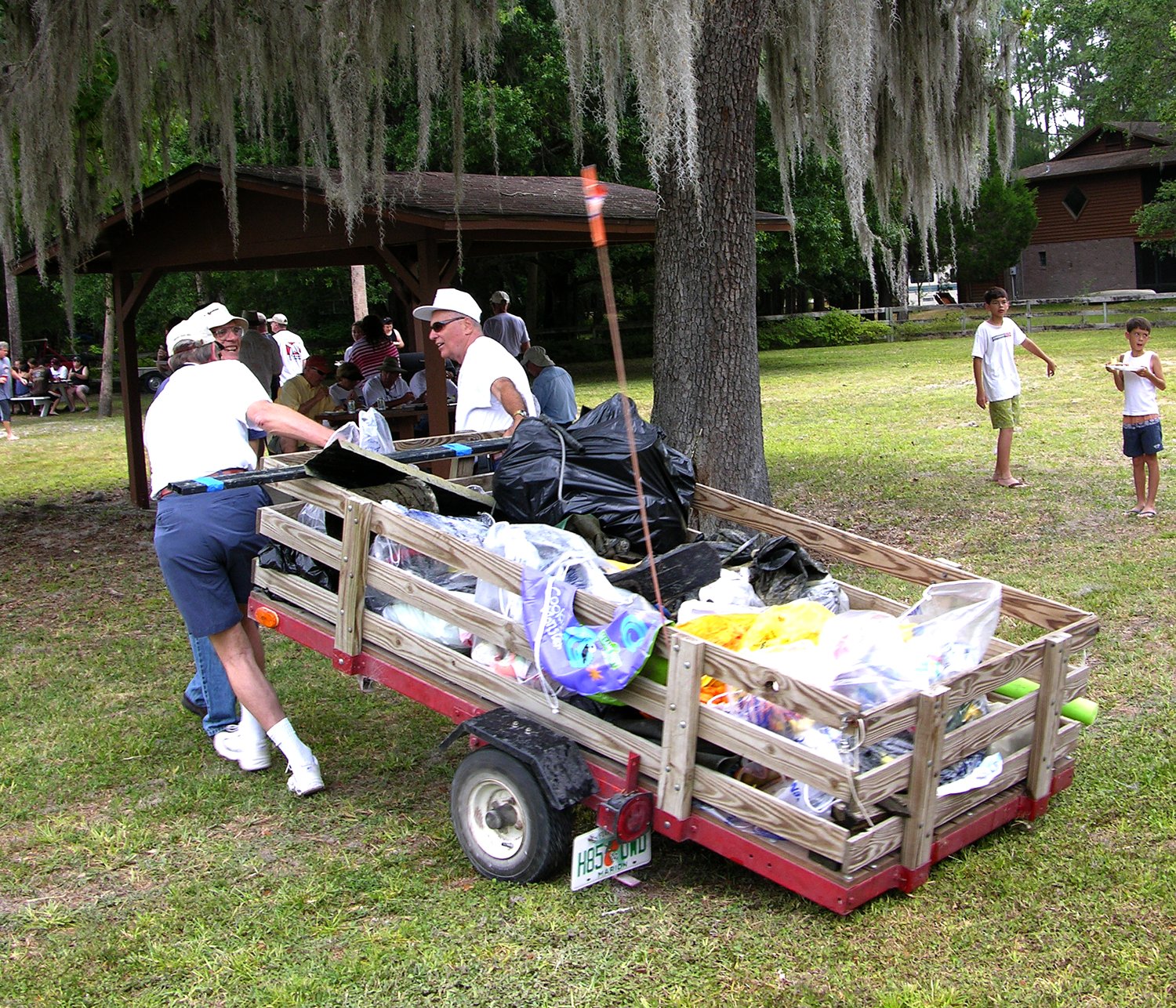
River Cleanup Results
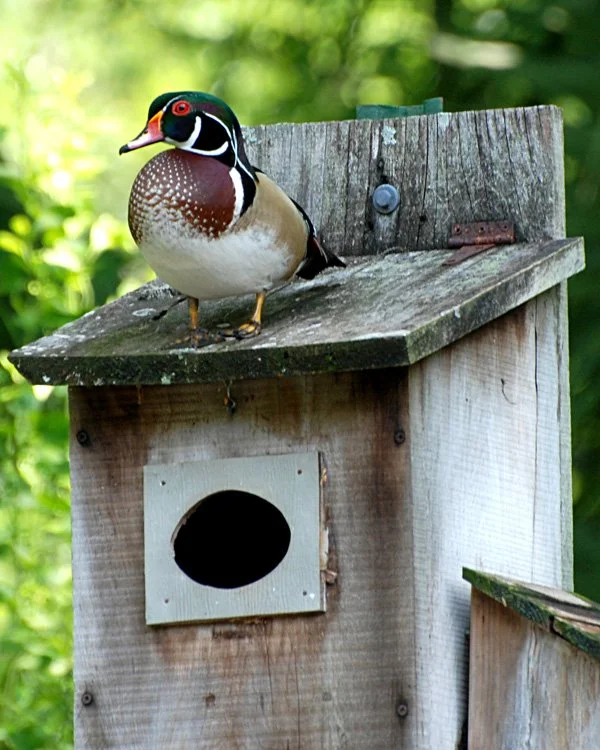
Wood Duck Box Project
Aquatic Vegetation Impact Video
This video highlights the ecology of Rainbow Springs and the importance of protecting aquatic vegetation, showing how recreation impacts the river and what visitors can do to help preserve it.
-
The video shows clear spring water, underwater vegetation, and wildlife including fish and turtles. Scenes of recreational use such as kayaking, tubing, and boating are shown, along with examples of disturbed vegetation and floating plant mats downstream.
-
[On-screen text:] Vegetation and the Rainbow Springs Aquatic Community
Narrator (male):
The springs of Florida include some of the clearest water on Earth. Rainbow Springs Aquatic Preserve includes a diverse natural community of submerged and emergent vegetation, fish, turtles, alligators, snails, birds, and invertebrates that create a balanced ecosystem along the river’s 5.7-mile length.
The outstanding water clarity at the headwaters, and along the length of the river, allows many varieties of submerged vegetation to flourish, creating an aquatic garden along the river bottom.
Turtles feed on the lush productivity of this aquatic food web. Fish are sheltered from predators in the emergent vegetation, and snails find platform for growth while eating algae and clinging to the plant leaves. The Submerged aquatic vegetation provides a zone where small organisms such as crayfish and worms, and the lowest levels of the food chain can develop and supports the populations of larger fish, otters, and birds.
Kayaks, canoes, pontoon boats, divers, people floating down the river on inflated tubes, all share recreational use of the river. These crowds of different user groups have caused congestion during peak times and has begun to stress the natural resources of the river.
People get out of their boats, tubes, or canoes to stand, play or swim in the water, injuring the vegetation and shaking it loose. Scuba training classes stand in the vegetation in shallow water, or grab the river bottom to help navigate around the strong currents. Divers often fill the main channel forcing boats, bringing more divers upstream, to divert into the shallow edges of the river where the propellers often carve through the submerges vegetation leaving crop scars. At first one observes one observes a single floating plant and then section of the missing submerged vegetation. Mats of dead vegetation get large as one travels down river from moderate to large to very large. At the end of the summer weekend, floating vegetation covers the whole width of the rainbow river at the convergence of the Withlacoochee River.
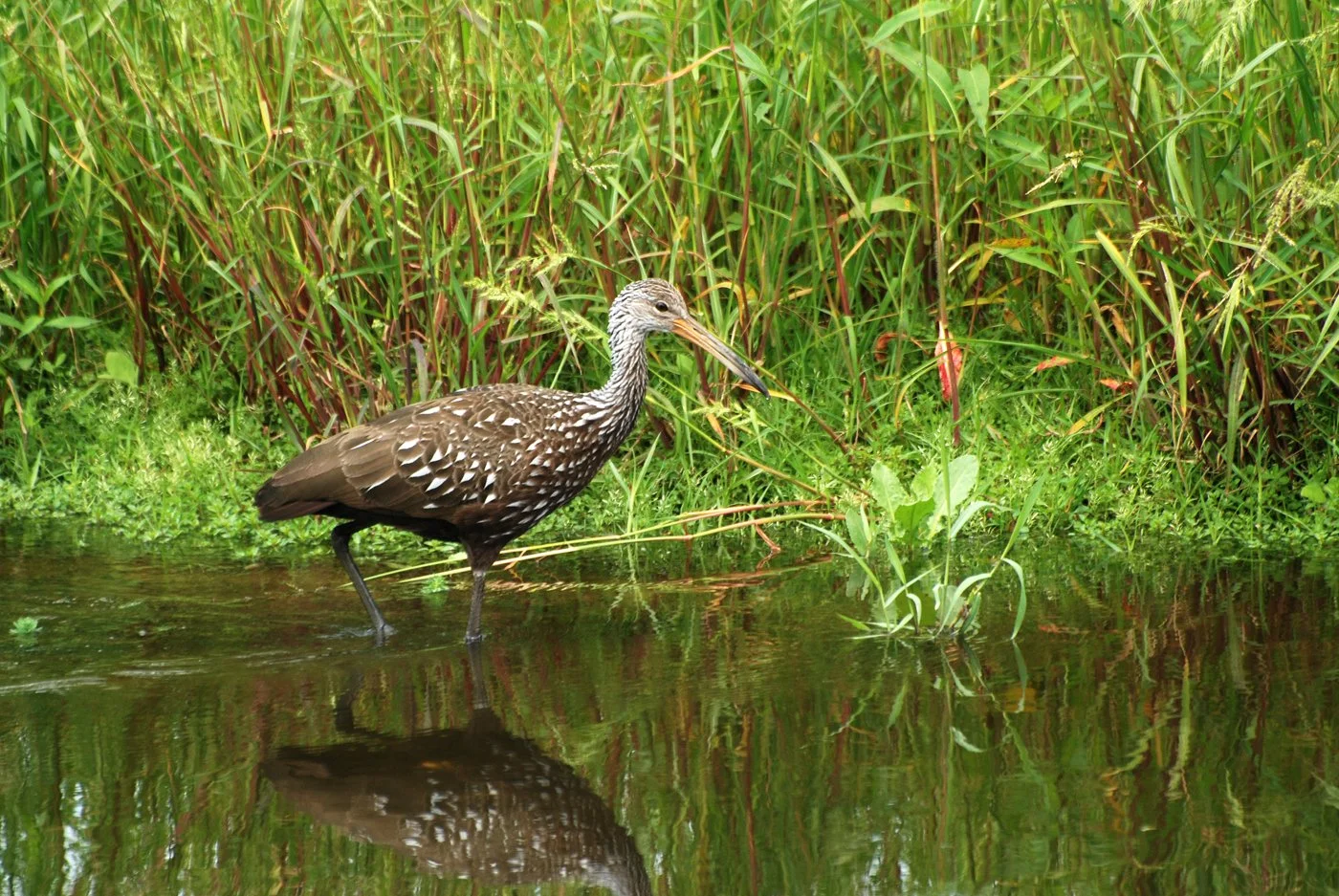
Vegetation is the foundation that connects the aquatic community. The Apple snail needs reeds to lay eggs on. The Limpkin, a bird of special concern, found mainly in Florida, needs the apple snail as its main food source. More hens and wood ducks eat the emergent vegetation. Young ducks and nesting birds need vegetation cover for protection from predators. Egrets and herons frequent the vegetation edges hunting for food.
[On-screen text:] What you Can Do To Help
Do not walk or stand in the aquatic vegetation with bare feet or flippers.
Do not anchor in beds of vegetation.
Do not pull or remove vegetation while diving or swimming in the river.
Do not navigate a power boat through shallow river areas where vegetation would be impacted.
Elevate your boat engine in shallow channels of the river to minimize contact with vegetation.
Enter and exit the river only at access points.
What you Can Do To Help. Do not walk or stand in the aquatic vegetation with bare feet or flippers. Do not anchor in beds of vegetation. Do not pull or remove vegetation while diving or swimming in the river. Do not navigate a power boat through shallow river areas where vegetation would be impacted. Elevate your boat engine in shallow channels of the river to minimize contact with vegetation. Enter and exit the river only at access points.
If every river visitor followed these rules the damage to the rainbow river vegetation would be dramatically reduced and every river visit would be more enjoyable. Preserving the vegetation of the rainbow springs aquatic preserves is essential if this first magnitude spring fed river is to remain a habitat for the wide variety of fish, turtlers, birds and other creatures that currently reside here. Preserving the vegetation is also important to ensure that people that visit the rainbow river have a positive visitor experience now and for generations to come.
[On-screen text:] Photography Credits
Tracy Colson, Underwater Video
William Vibbert
Sandra Marraffino
J.P. Davis
Tom Alter
Paul Marraffino, Editor
Learn more about Rainbow Springs
-
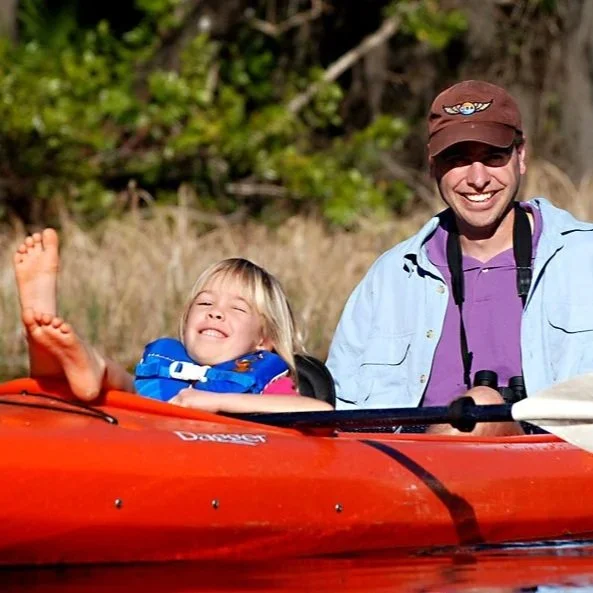
![Child reclining and smiling in a red kayak while an adult sits behind them on calm water]()
Why We Love This Spring
Rainbow Springs gathers wildlife and people at its clear, steady headwaters, where 72 degree water flows year round. It is a place of refreshment, magnificent beauty, and quiet recreation.
-
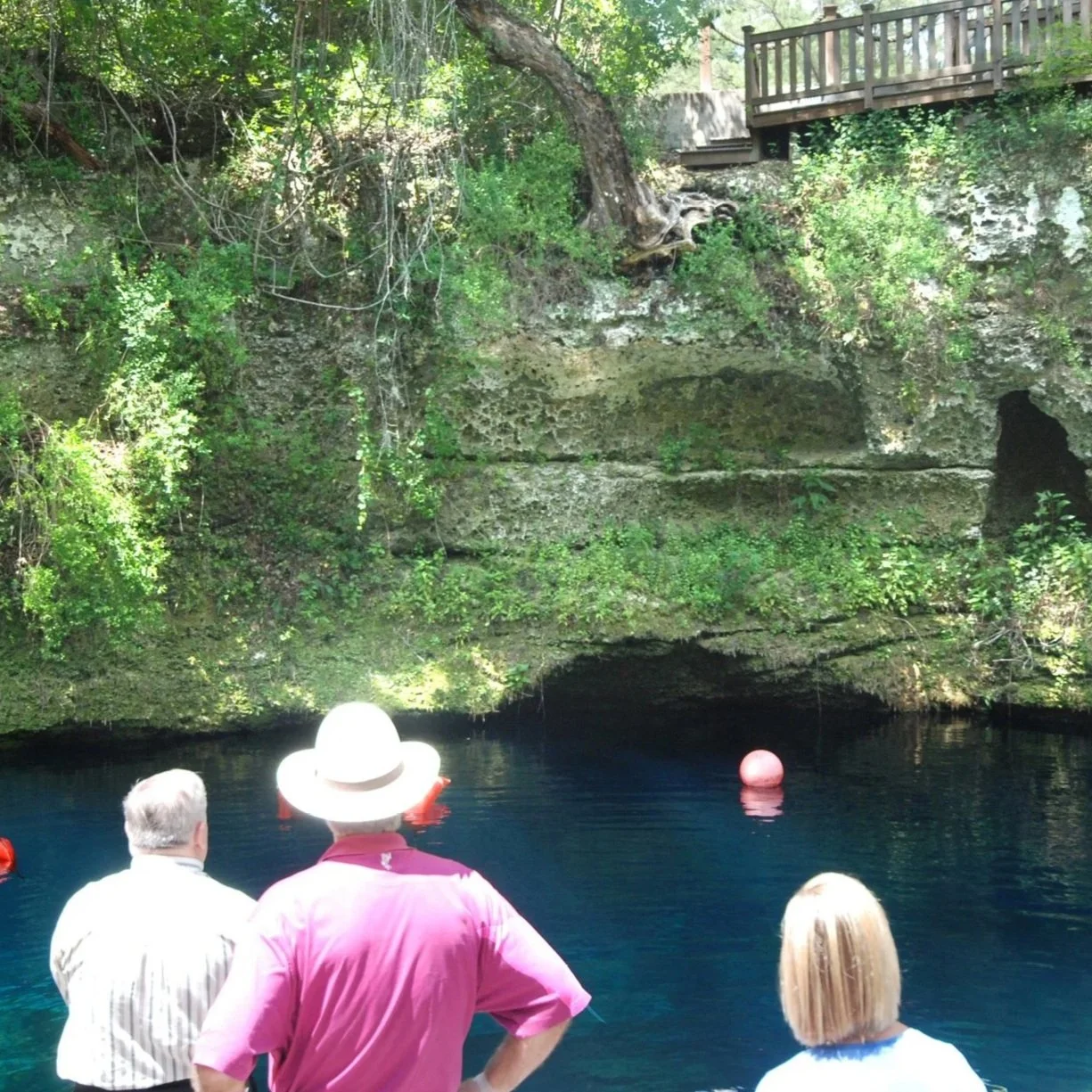
![Three people standing at the edge of a clear blue spring, looking into the water beneath a wooden overlook]()
Know Your Springshed
Discover how Rainbow Springs is formed by multiple spring vents rising through Florida’s karst limestone. Its flow depends on a vast recharge area that feeds the aquifer beneath.
-
![Limpkin bird wading in shallow water among tall green grasses with its reflection visible]()
Health & Science
Rising nitrate levels and reduced flow have impaired Rainbow Springs. Increased algae and declining native vegetation reflect impacts from development and groundwater use.
-
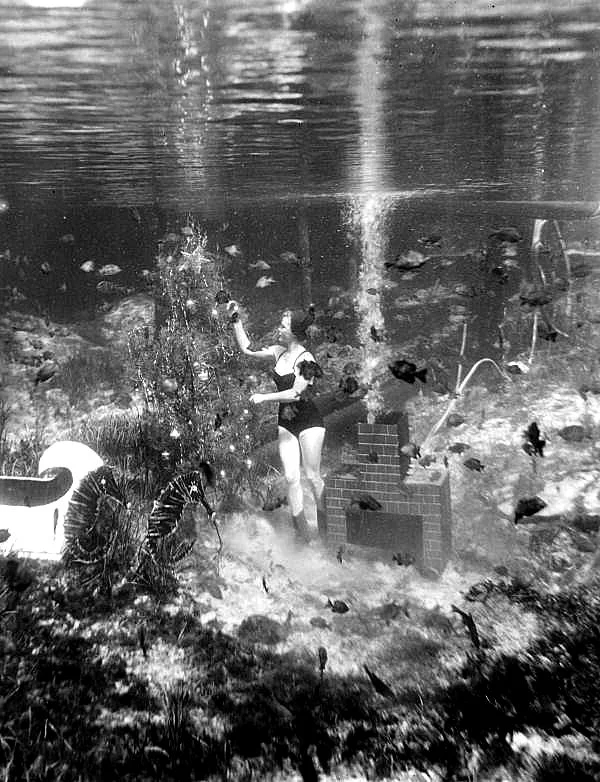
![Black and white underwater photo of swimmers surrounded by fish in a spring]()
History
Rainbow Springs has drawn people for thousands of years, leaving traces of early settlement along its clear waters. Its history continues to unfold with each generation that gathers at its headwaters.
-
![Crowd gathered at a park pavilion during a community event with people serving drinks]()
News, Events & Public Policy
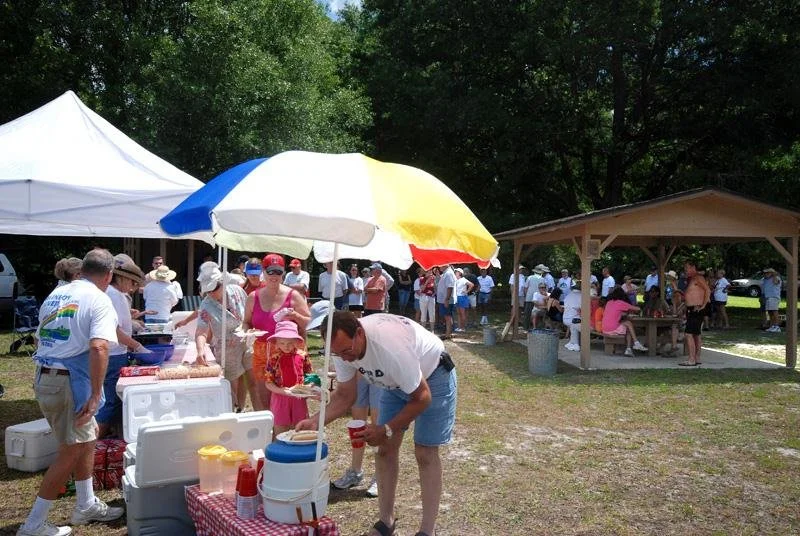
Volunteers unite for the annual Rainbow River Cleanup, collecting trash by boat, kayak, and canoe. The day ends with awards and a community picnic celebrating stewardship.
-
![Misty river scene with a bird perched on a tree branch over the water]()
Groups, Organizations & Resources
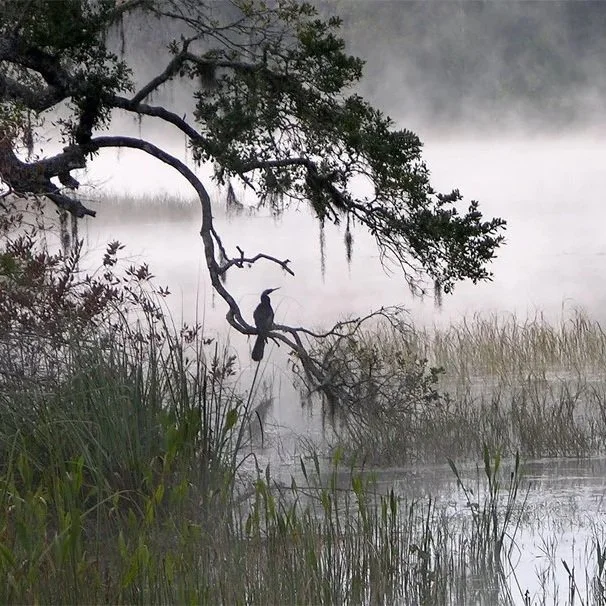
Find contacts and research documents related to Rainbow Springs protection and conservation. These are some of the resources that support ongoing restoration and management efforts.
-
![Sandra Marraffino photographing from a blue kayak on the Rainbow River]()
About Your Moderator
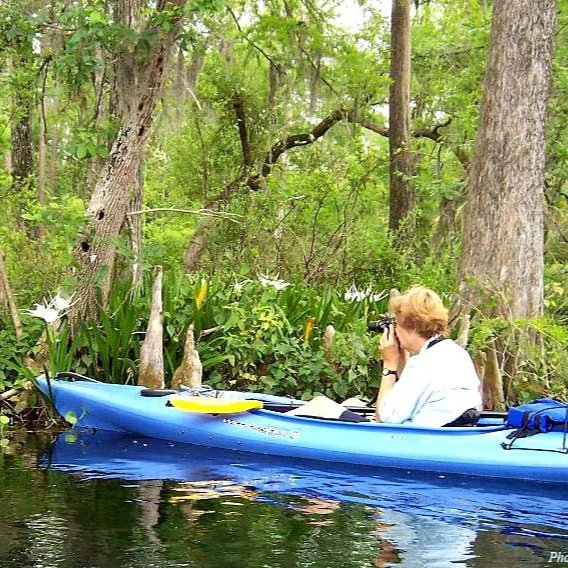
Paul and Sandra Marraffino moved to Dunnellon after being inspired by Rainbow Springs and all its splendor. Sandra now focuses on bird research and conservation in the region.