Manatee Springs
History
Manatee Springs has a rich cultural history of occupation by Native Americans as far back as the paleo period over 10,000 years ago. It was visited in 1774 by William Bartram in his Travels of Florida and was named Manatee Springs by Bartram himself because of a manatee carcass present on the shoreline of the spring run. Hernando De Soto crossed the Suwannee River (San Juanee aka Little St. John) near Manatee Springs in his journey across the peninsula.
After the Seminole Wars, farmers and settlers moved in a farmed timber, pine tar/marine supply, cotton, corn, vegetables, fruit trees and food animals–pigs, chickens, cows, horses and mules.
As the area grew, local families moved “to town” only gathering at the spring to use it as a “Fishing Camp.” Manatee was the first spring to become a State Park in Florida back in 1954 when the family that owned it sold it to the
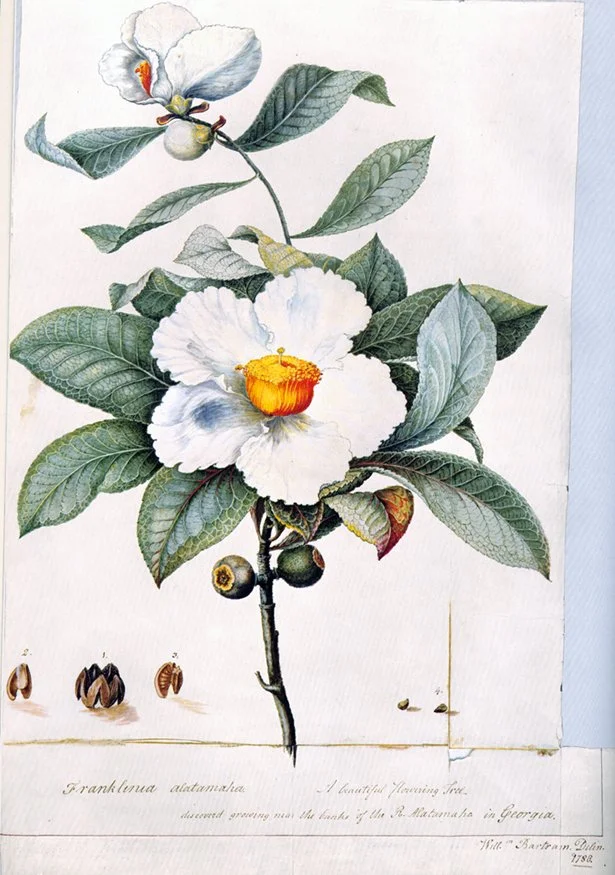
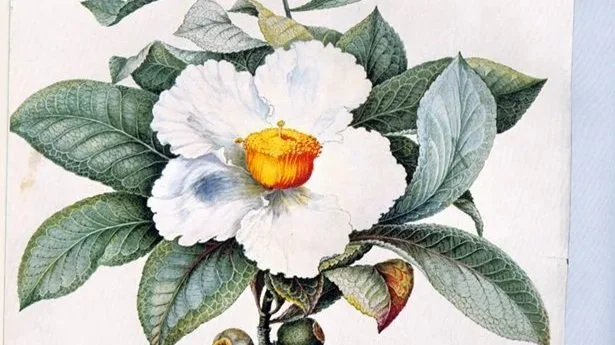
Franklinia Alatamaha
William Bartram (1739-1823)

Margaret Ross Tolbert
Manatee Springs Study, 1993
oil on canvas, 16 x 12 in.
Learn more about Manatee Springs
-
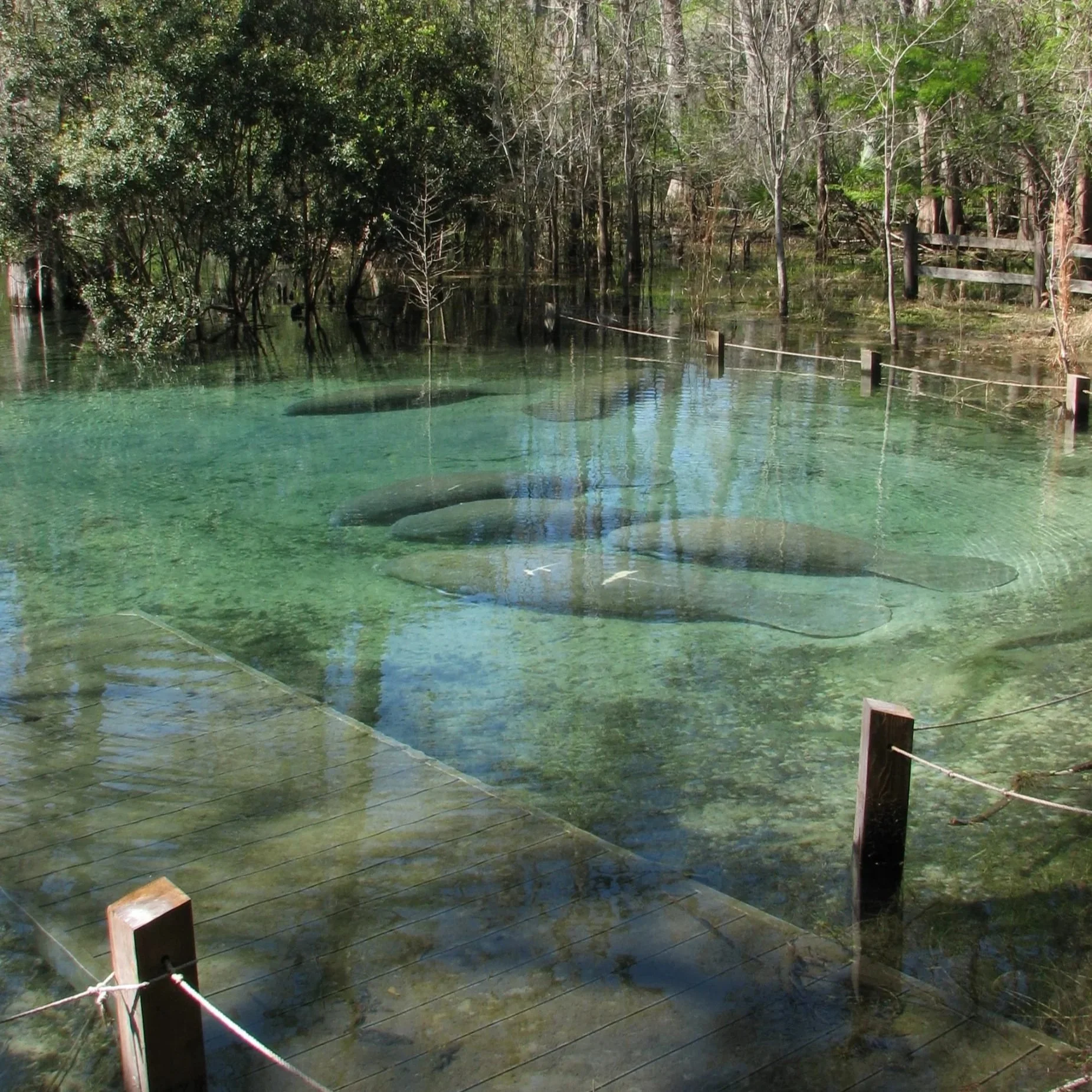
![Manatees swimming in clear spring water]()
Why We Love This Spring
Manatee Springs is a first-magnitude blue spring flowing gently to the Suwannee River. From winter manatees to year-round swimming and wildlife, it offers beauty and adventure in a wild setting.
-
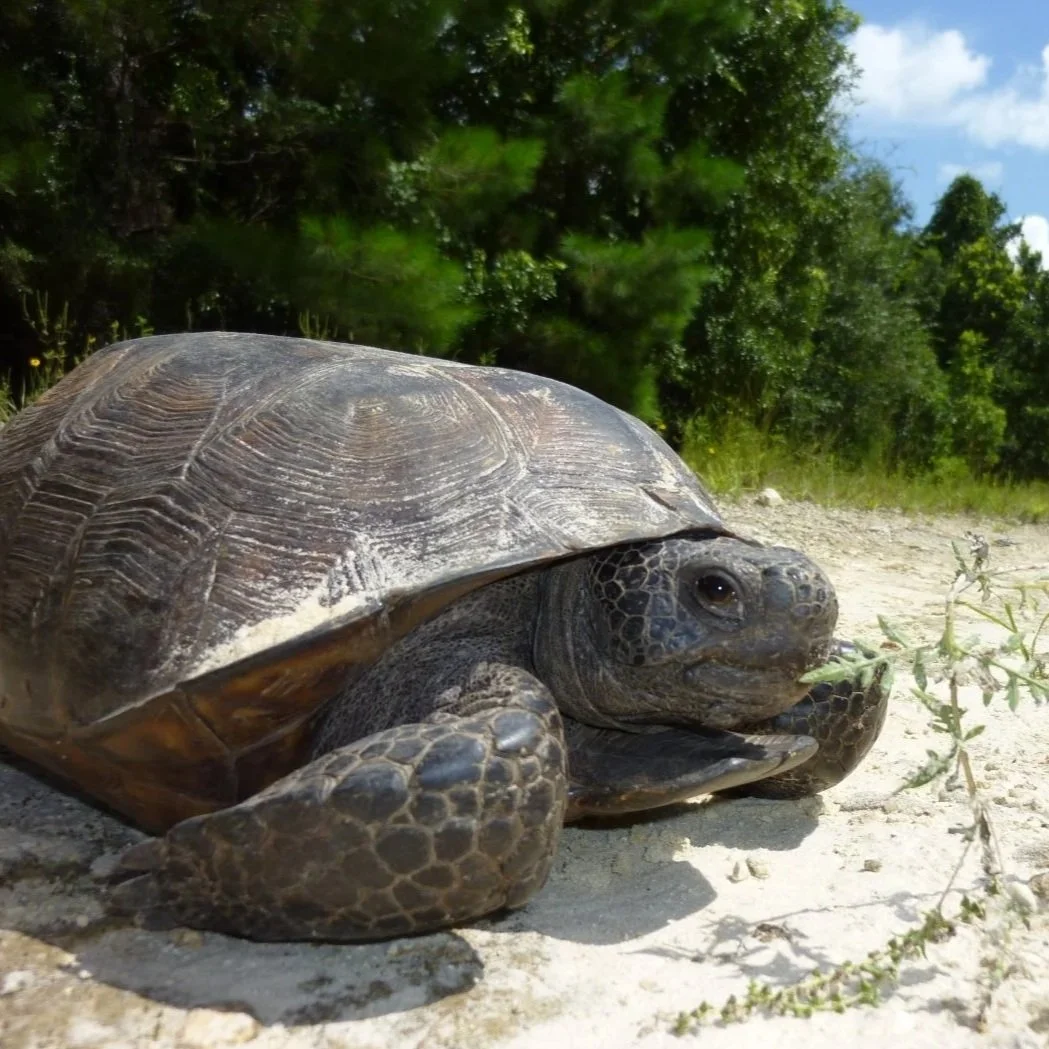
![Tortoise on sandy ground near vegetation]()
Know Your Springshed
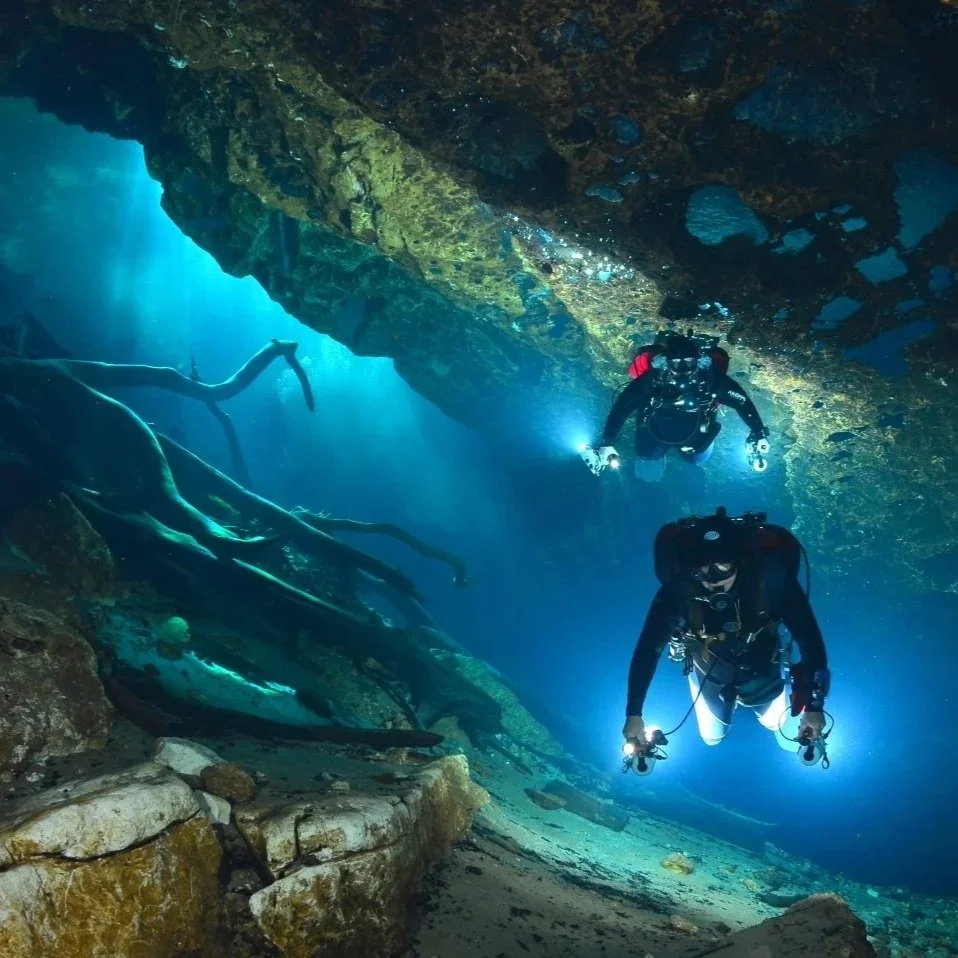
Manatee Springs is fed by rainfall that travels miles through limestone and underground passages. A large cave system connects sinkholes and conduits that deliver water to the spring.
-
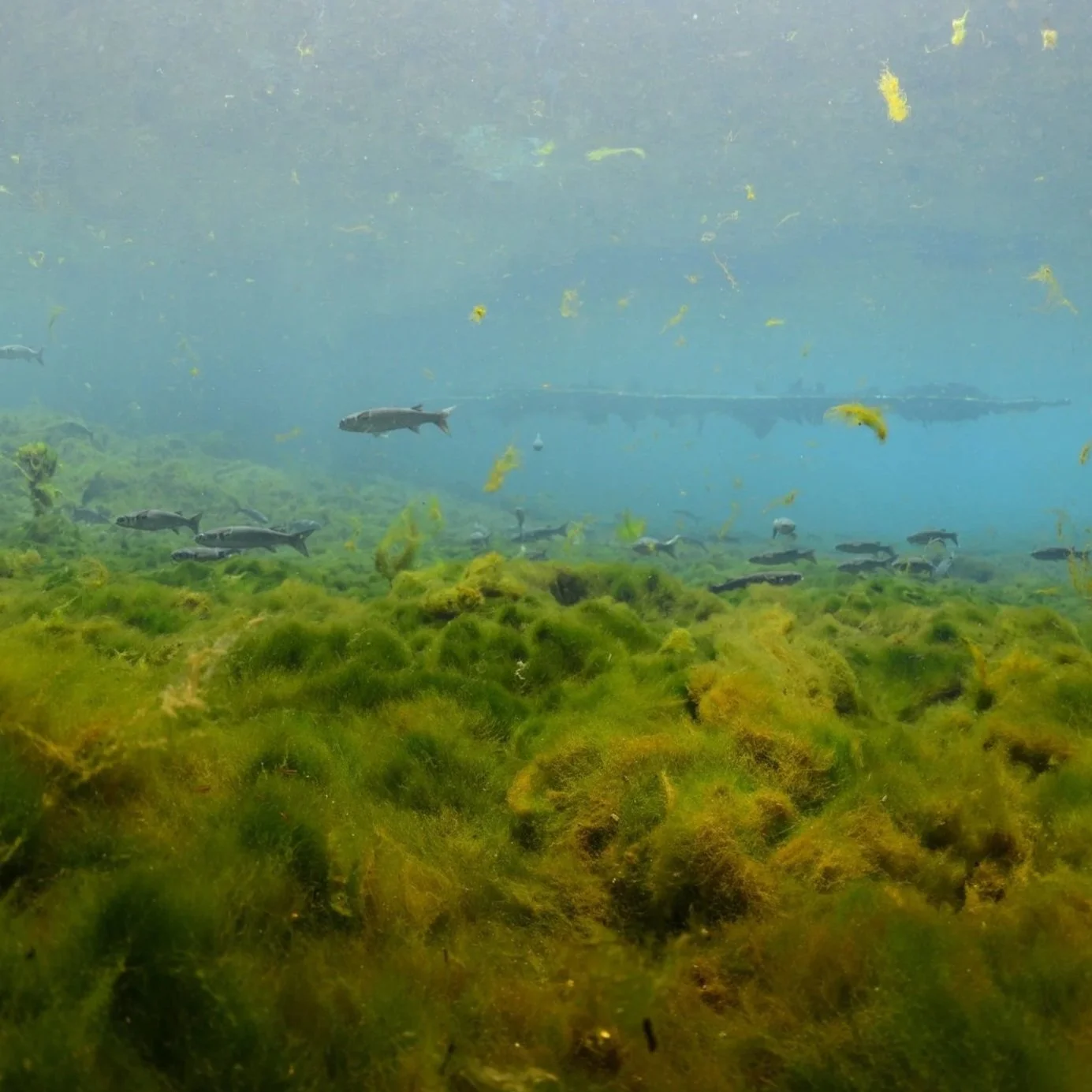
![Underwater scene with fish and aquatic plants]()
Health and Science
Water quality at Manatee Springs is declining as nutrient levels continue to rise. Addressing nitrate pollution and restoring natural vegetation are essential to protecting the spring’s long-term health.
-
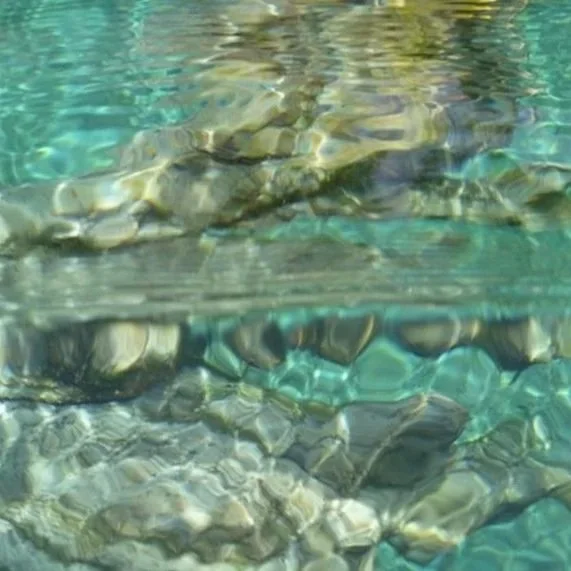
![Clear shallow spring water over rocks]()
Caring for Your Spring
Manatee Springs reflects the impact of everything done across its watershed. Water conservation, responsible fertilizer use, and proper septic maintenance help protect its future.
-
![Scuba divers exploring underwater cave]()
About Your Moderator
Annette Long, a avid cave diver and longtime resident, works to protect and restore Manatee Springs. She advocates for education, geology awareness, and improved water quality.