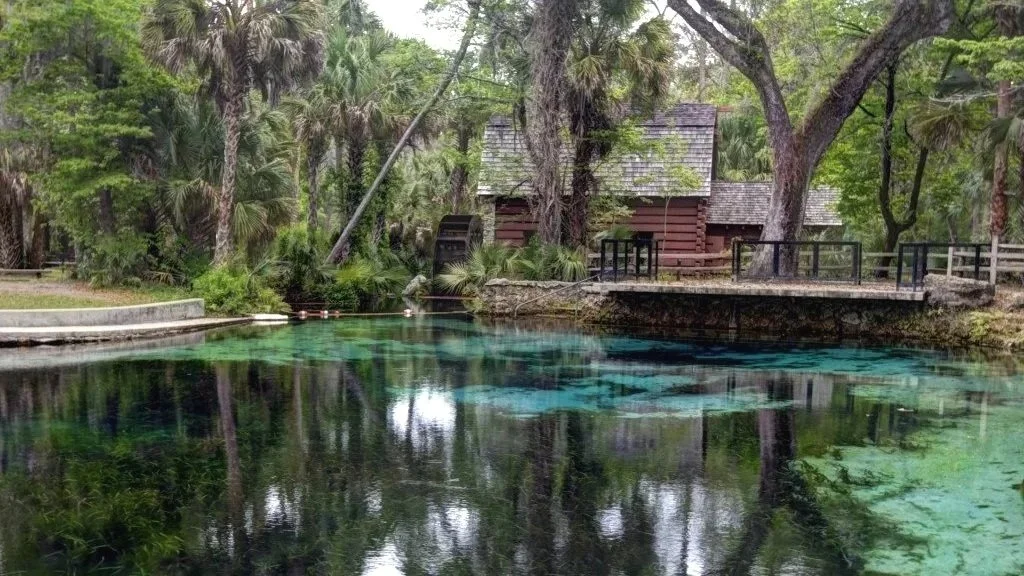
Juniper Springs
Improvements to the Springs
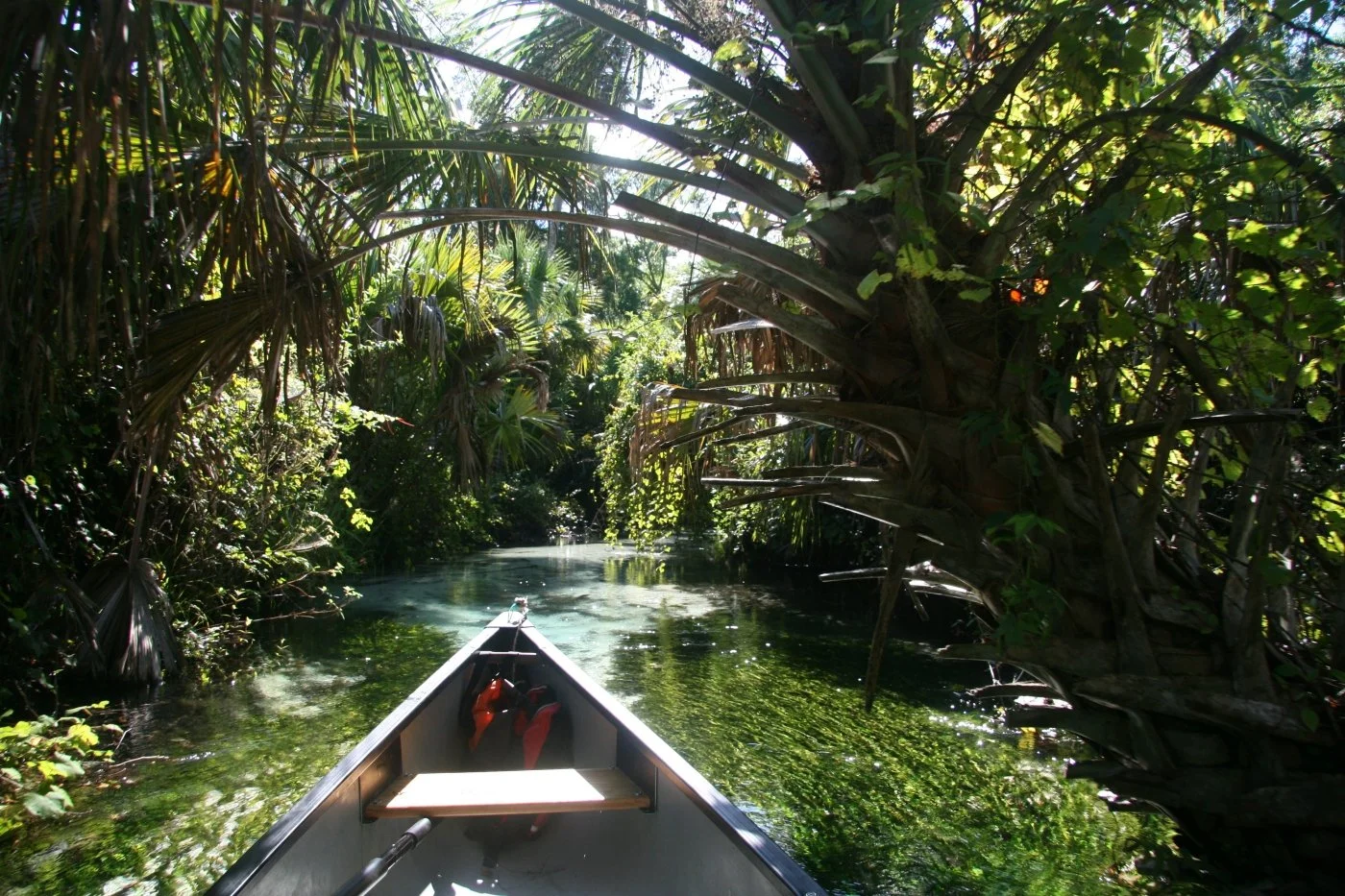
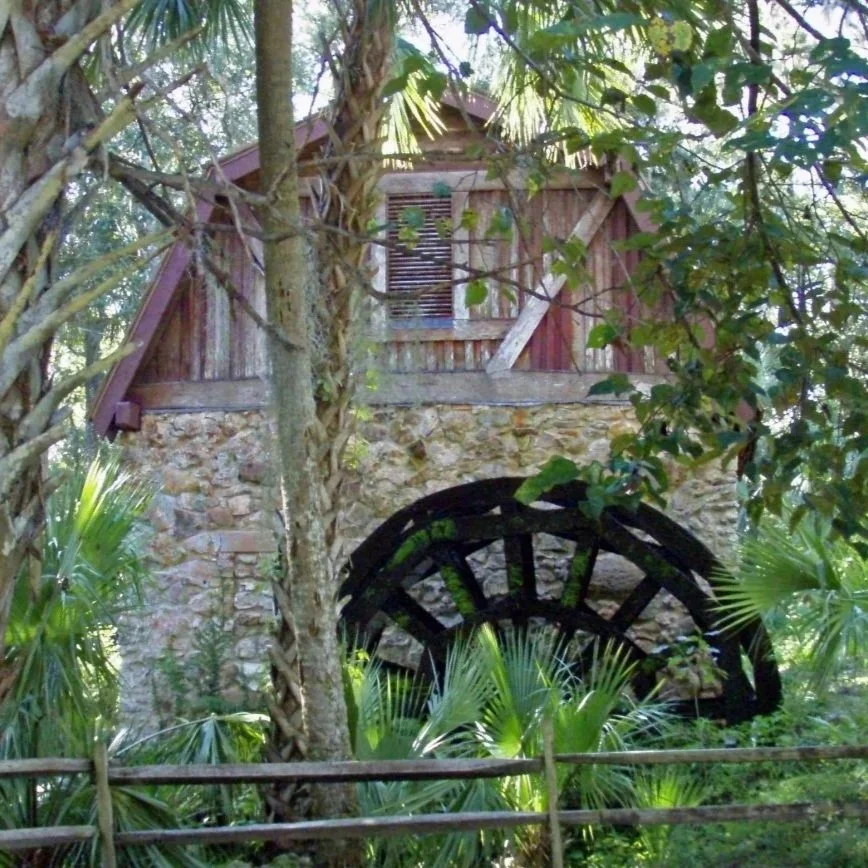
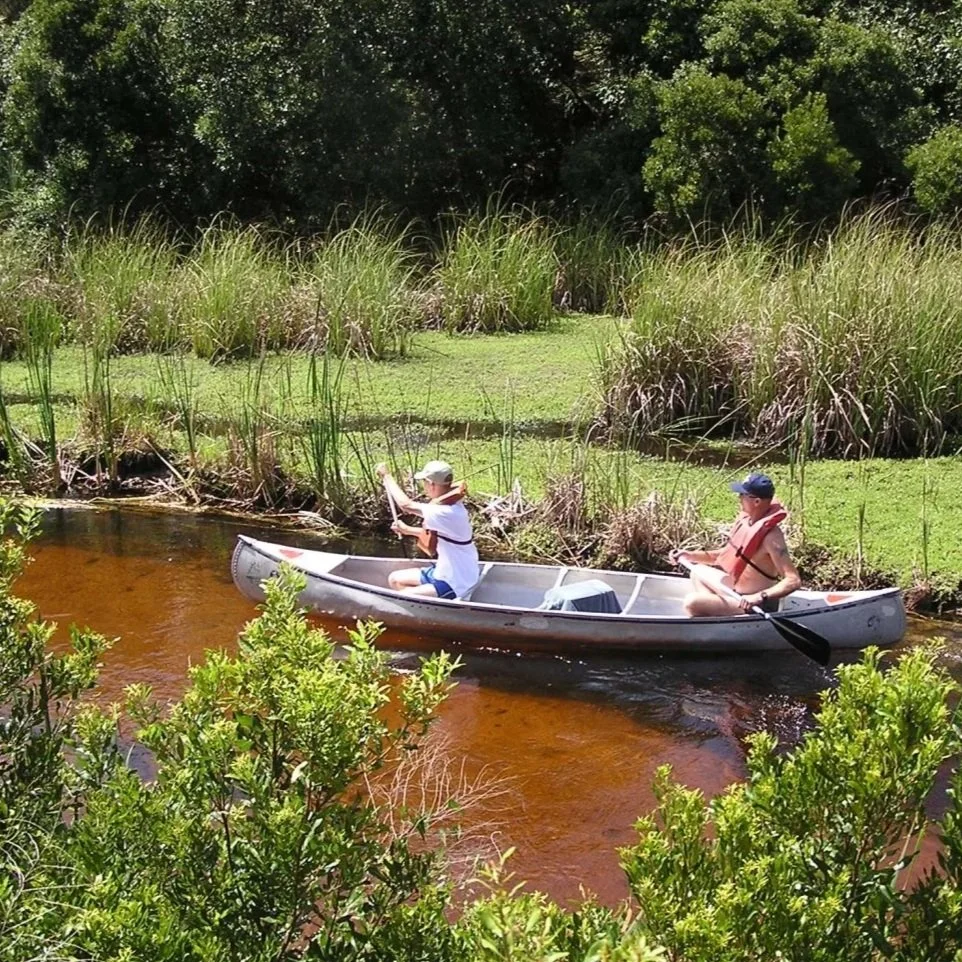
Improvements at Juniper Springs Recreation Area including a water wheel and mill house that were developed by the Civilian Conservation Corps (CCC) in the mid-thirties. The work that was done by the CCC remains giving the main swimming area an atmosphere of years gone by. More modern facilities such as a campground and camp store have been built and rebuilt but the major elements of the CCC work remain. The water wheel’s mill house now houses a display of Juniper Springs history. A major activity at Juniper Springs Recreation Area is canoeing the seven mile run of Juniper Creek.
The Florida Geological Survey (FGS) is charged with documenting the characteristics of Florida’s springs. The most recent springs compendium edition is Bulletin 66, (2004) which lists the discharge rates for Juniper and Fern Hammock Springs as shown below. As you can see below discharge from both springs is about equal. It is surprising to realize that Fern Hammock has the greater flow. However, the discharge of both is modest in comparison to the energy and volume of 1st magnitude springs.
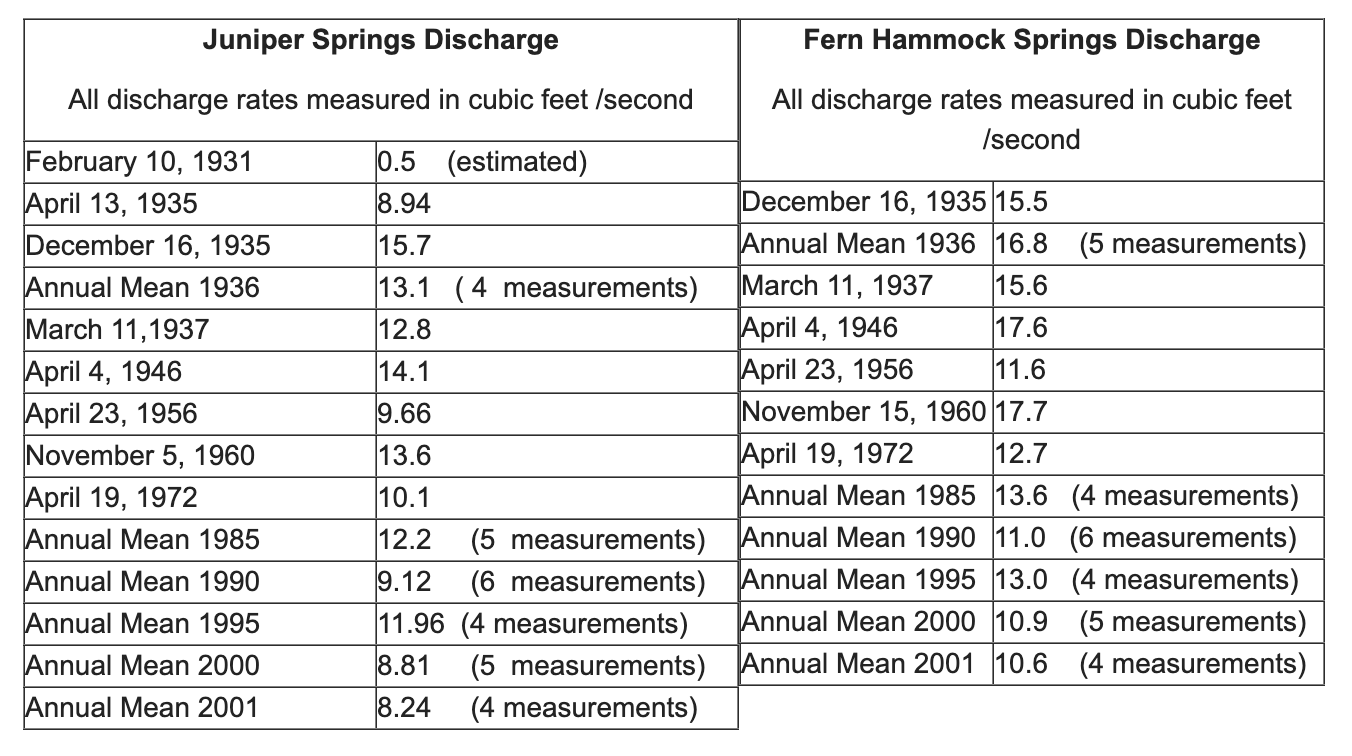
Florida Geological Survey, Bulletin 66: Springs of Florida (2004)
Designating and preserving Juniper Springs and Fern Hammock Springs and their surrounding environments demonstrates longstanding foresight in valuing the natural beauty and ecological importance of Florida’s springs.
-
The table presents discharge measurements for two Florida springs, Juniper Springs and Fern Hammock Springs, with all values in cubic feet per second.
Juniper Springs:
Discharge increases from an estimated 0.5 in 1931 to 15.7 in 1935, then fluctuates between approximately 9 and 14 through the mid-20th century. Later annual means show a gradual decline, with values of 12.2 in 1985, 9.12 in 1990, 11.96 in 1995, 8.81 in 2000, and 8.24 in 2001.Fern Hammock Springs:
Measurements begin at 15.5 in 1935 and remain generally higher than Juniper Springs through the mid-20th century, ranging from about 11.6 to 17.7. Later annual means show moderate variability, with 13.6 in 1985, 11.0 in 1990, 13.0 in 1995, 10.9 in 2000, and 10.6 in 2001.Overall, both springs show fluctuations over time, with Fern Hammock Springs generally maintaining slightly higher discharge rates than Juniper Springs.
Source: Florida Geological Survey, Bulletin 66: Springs of Florida (2004).
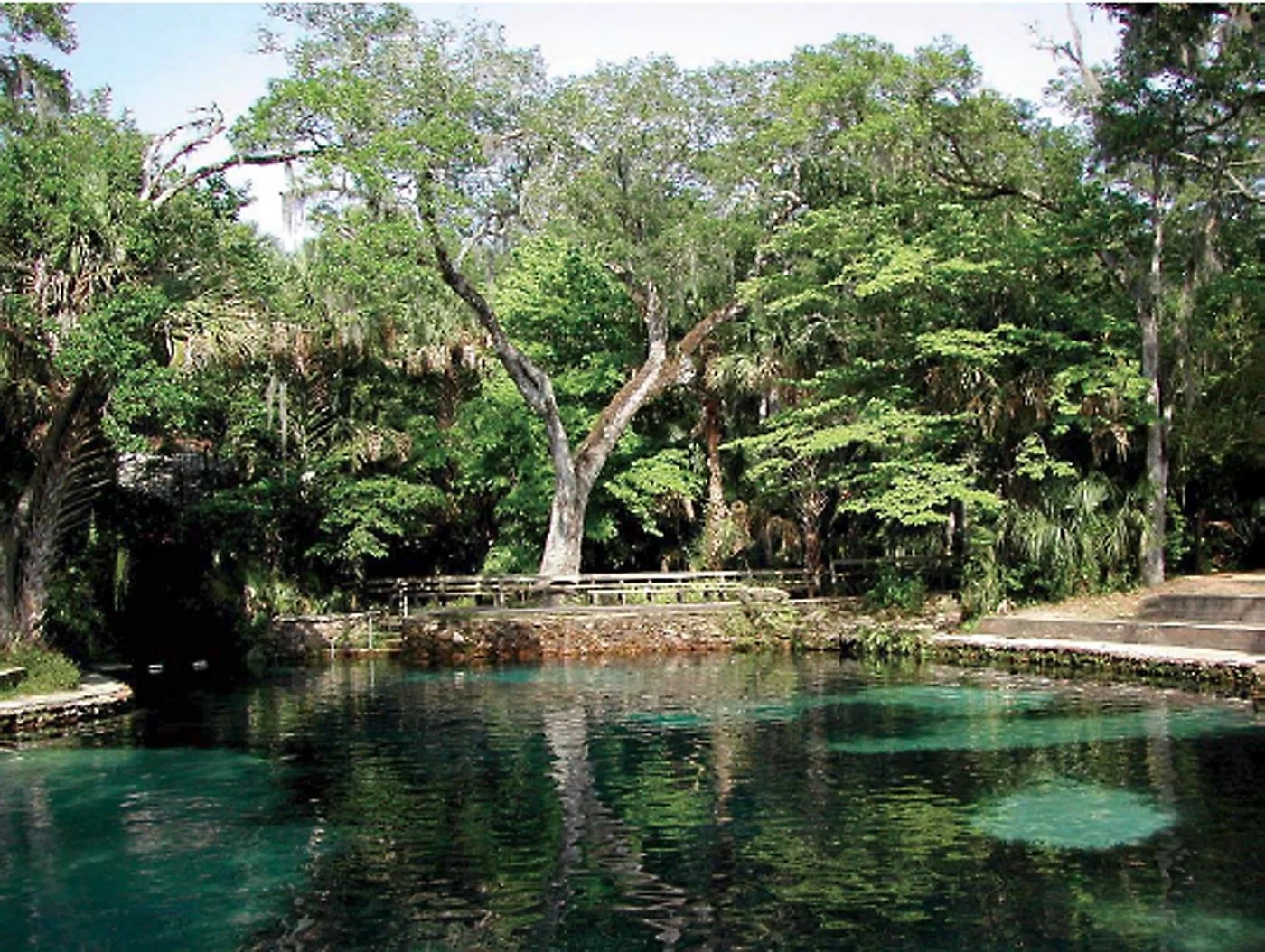
Florida Geological Survey, Bulletin 66: Springs of Florida (2004) Photo by H. Means

Margaret Ross Tolbert, Blew Light Into My Face, 2004
Oil on canvas, 138 × 90 in.
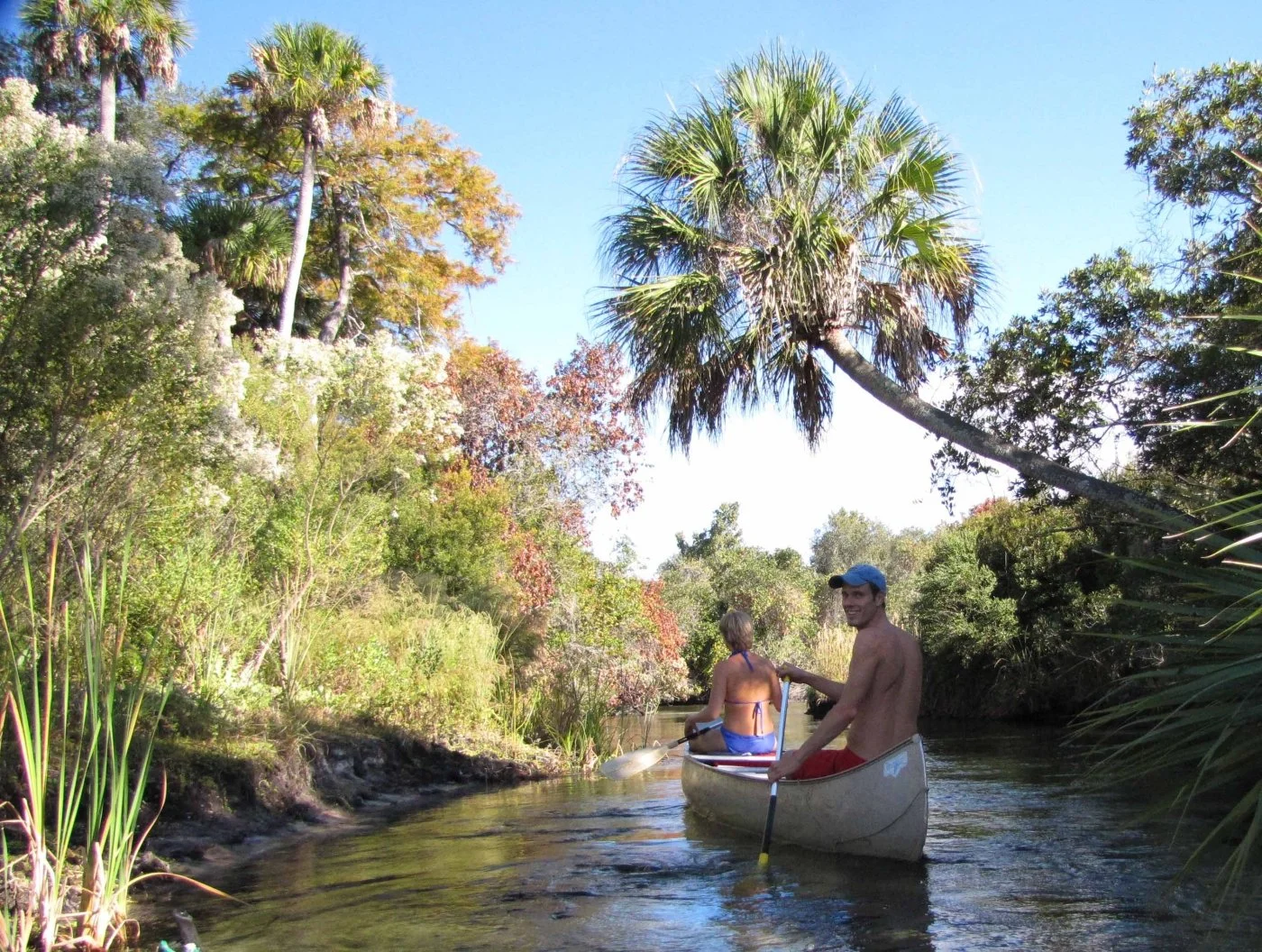
Kayakers on Juniper Creek
Learn more about Juniper Springs
-
![Clear blue spring with kayaker]()
Why We Love This Spring
Juniper Springs is a oasis in the heart of the Ocala National Forest, long cherished by locals and visitors alike. Its clear blue waters and winding creek offer beauty, adventure, and a true sense of wild Florida.
-
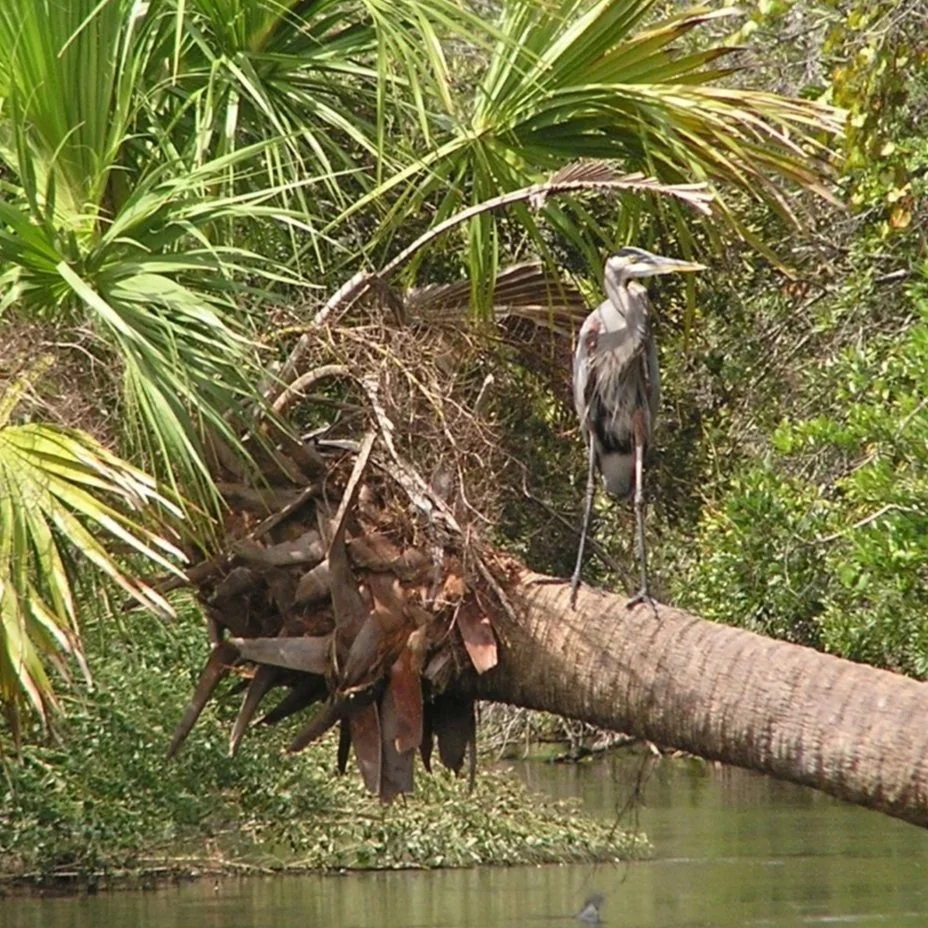
![Great blue heron perched on fallen palm over water]()
Know Your Springshed
Learn about how a springshed is the land area that feeds groundwater to a spring. Juniper’s protected forest setting helps preserve its water quality and makes it an important scientific baseline.
-
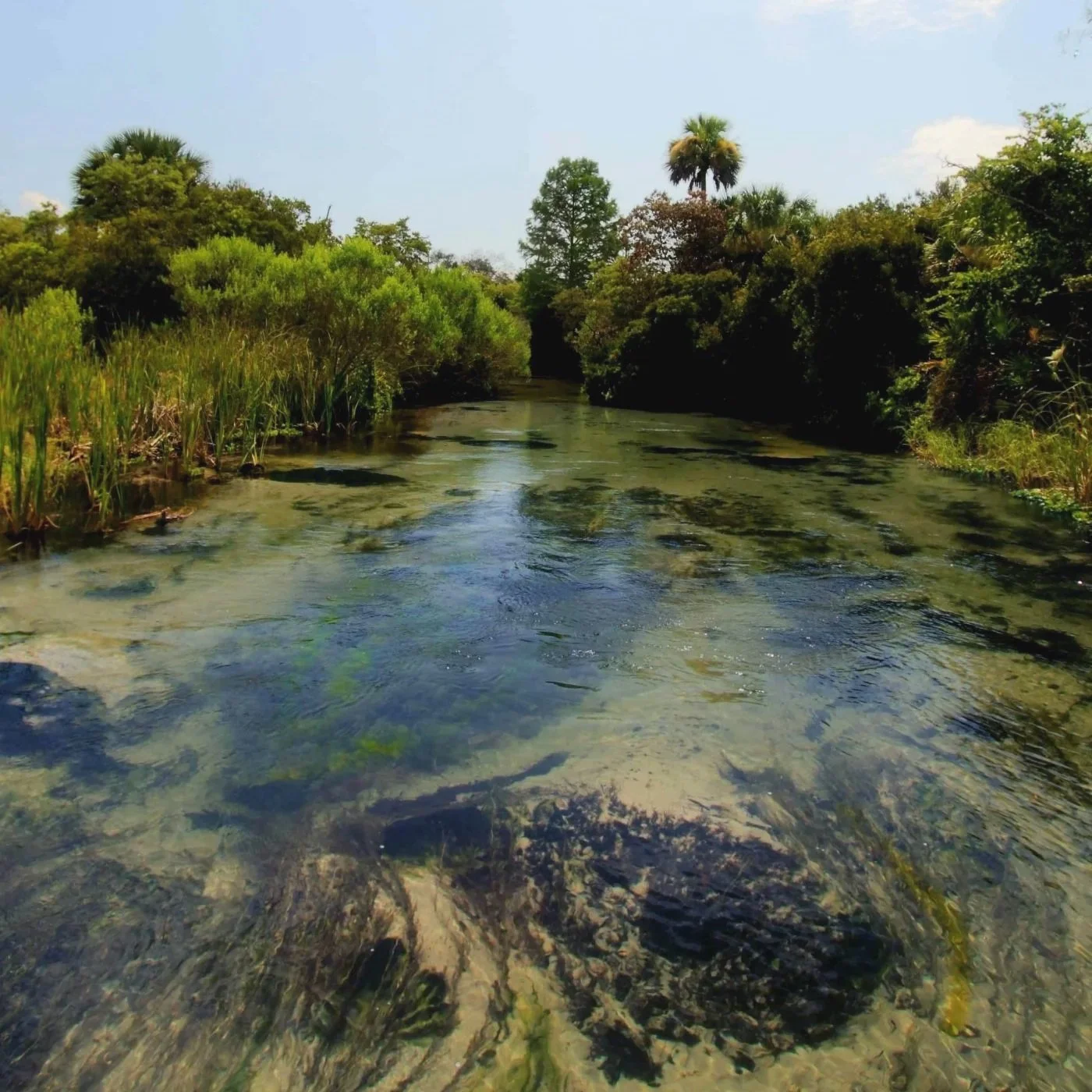
![Clear shallow spring with sandy bottom and vegetation]()
Health and Science
Monitoring shows minor nitrate increases at Juniper Springs, mostly from natural atmospheric sources. Ongoing research helps protect its water quality and preserve its natural condition.
-
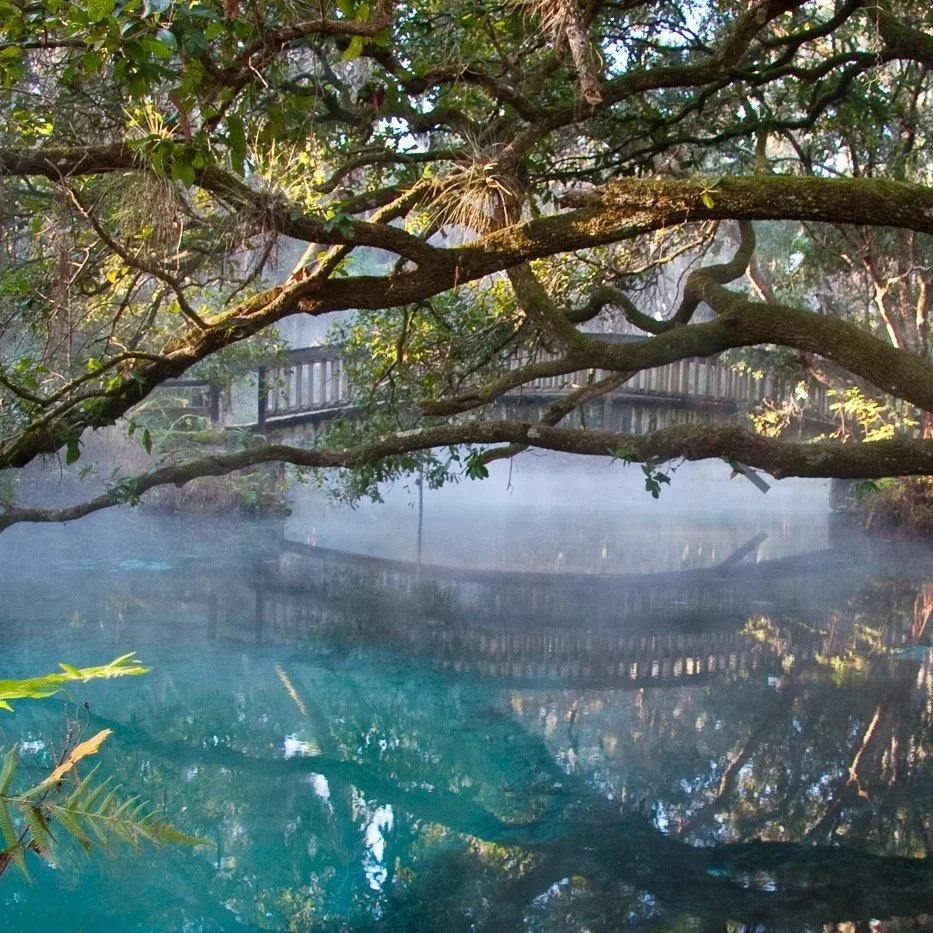
![Misty spring with wooden footbridge and trees]()
Caring for Your Spring
Protecting Juniper Springs means limiting nutrients and respecting its forested springshed. With careful recreation and responsible use we all can help preserve this spring for the future.
-
![Historic mill house with water wheel in forest]()
History
Juniper Springs was developed in the 1930s by the Civilian Conservation Corps during the Great Depression. Their handcrafted millhouse and water wheel still stand as lasting symbols of that era.
-
![Abstract blue and white painting]()
Art, Literature, Film & Culture
Juniper Springs has inspired writers, filmmakers, and visual artists, including Marjorie Kinnan Rawlings and Margaret Ross Tolbert. Its landscape and sand boils continue to shape cultural imagination.
-
![Spring with lily pads and wooden bridge reflection]()
News, Events & Public Policy
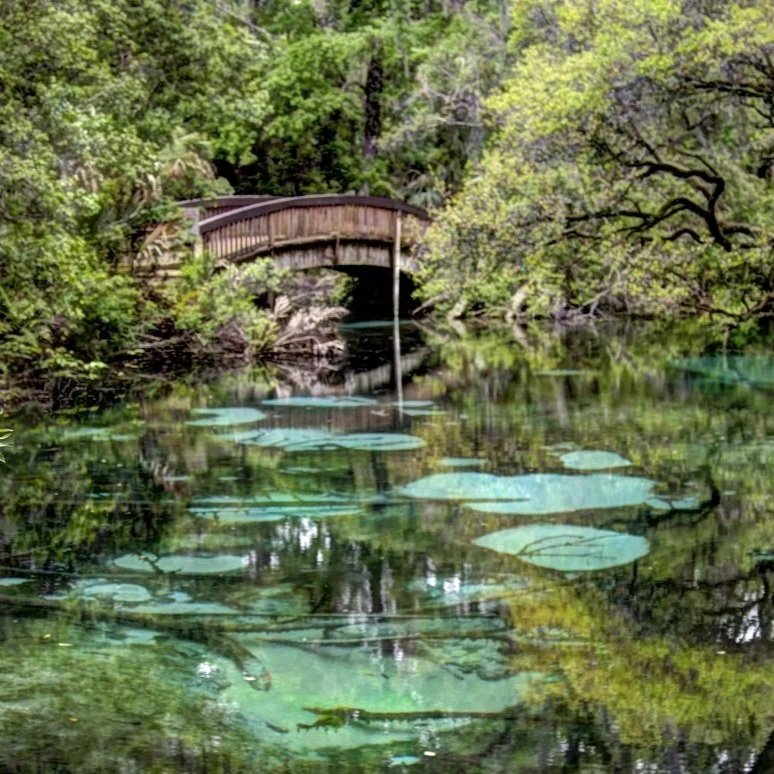
Alligator encounters at Juniper Creek are rare but serious, so swimming in the run is not advised. Forest Service planning helps protect the head spring by directing paddling access away from the main pool.
-
![Moderator Bruce Day]()
About Your Moderator
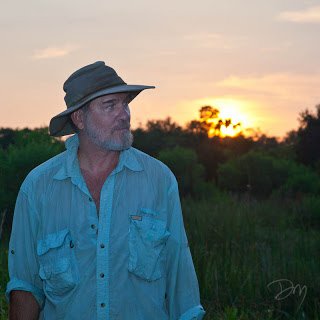
A lifelong Florida naturalist and springs advocate Bruce Day has spent decades exploring and protecting these waters, sharing knowledge shaped by field experience and deep appreciation.
-
![People paddling canoe through narrow spring]()
Groups, Organizations & Resources
Find information and stewardship resources through the U.S. Forest Service and regional water agencies. Local paddling and advocacy groups also help care for Juniper Springs.